Overview of AI in 3D Printing
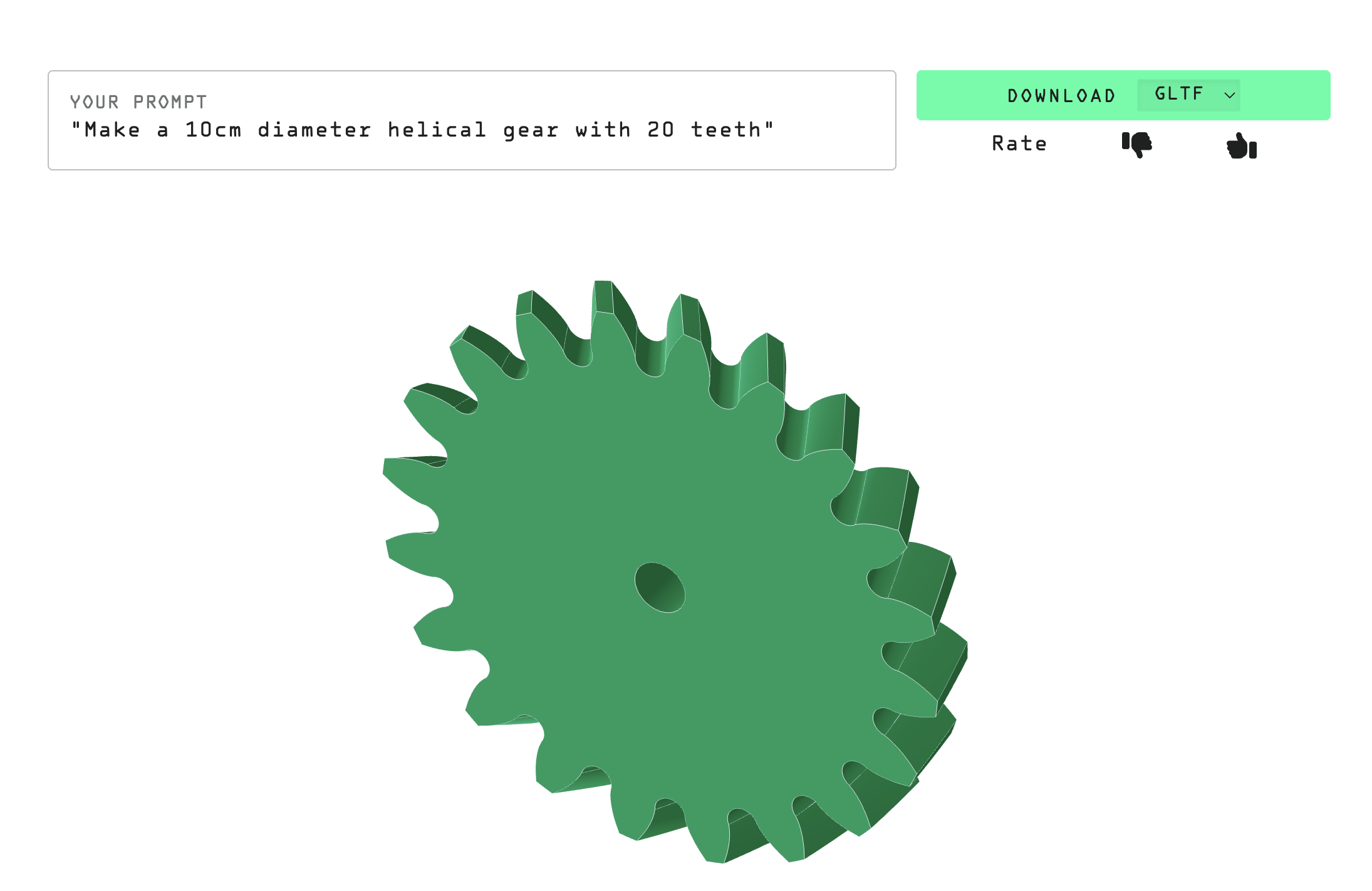
Generative artificial intelligence is transforming the 3D printing landscape, particularly through text-to-CAD platforms. These innovative tools enable users to create 3D printable CAD files using simple text instructions. This development is making additive manufacturing more accessible to a broader audience. Companies like Bambu Lab and Markforged are leading the way with new AI software, while others like Zoo are enhancing the capabilities of CAD modeling through their AI-driven tools.
Key Developments in AI Text-to-CAD
- Shenzhen-based Bambu Lab and Markforged have introduced new AI model generation software.
- Zoo, formerly known as KittyCAD, has launched an open-source text-to-CAD tool that converts text prompts into CAD files.
- Zoo’s new machine learning API, ML-ephant, improves the design process by connecting machine learning with hardware design.
- Other players in the market include Meshy.ai, OpenAI Point-E, and Google’s DreamFusion, expanding the range of options for users.
Significance of AI in Design
The emergence of AI text-to-CAD tools is significant for the future of design and manufacturing. These platforms democratize access to 3D printing, allowing individuals with little design experience to create complex models. Companies like Backflip and Bambu Lab are pushing the boundaries of what is possible, enabling rapid development of high-quality 3D models. As these technologies evolve, they promise to reshape the industry, making 3D printing more efficient and user-friendly.