Understanding the Situation
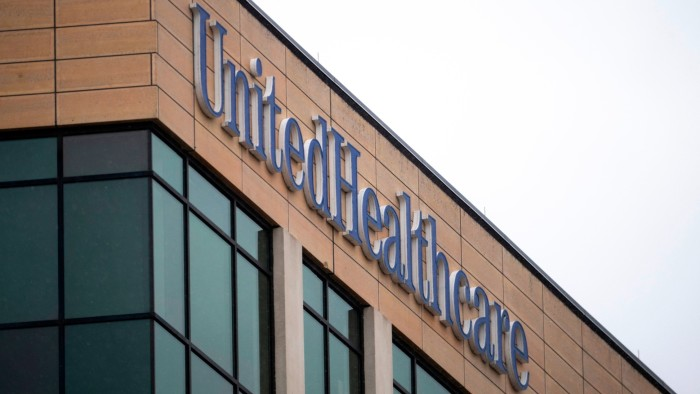
The case of Gene Lokken, a 91-year-old man who suffered a leg fracture, sheds light on a broader issue in healthcare. After a fall, Lokken was admitted to a nursing home for recovery. However, his insurer, UnitedHealth, stopped covering his care despite medical recommendations. This led to his family incurring over $12,000 monthly in bills until his passing. Lokken’s situation is part of a class action lawsuit against several insurers, alleging they misuse artificial intelligence (AI) to deny necessary healthcare coverage.
Key Points
- UnitedHealth, the largest U.S. insurer, faces criticism for using AI to make coverage decisions.
- The AI model, nH Predict, allegedly limits human discretion in approving care days.
- A Senate committee report raised concerns about rising denial rates in Medicare Advantage plans.
- New guidelines from the Centers for Medicare & Medicaid Services emphasize individual assessments over algorithmic decisions.
The Bigger Picture
The implications of AI in healthcare are significant. While AI can enhance efficiency and diagnosis, it also poses risks like biased decision-making and lack of transparency. Recent regulatory efforts aim to ensure that AI use complies with insurance laws and maintains human oversight. The ongoing legal battles and regulatory changes reflect a growing awareness of the need for accountability in AI applications within the healthcare system. As the political landscape shifts, the future of AI regulation in healthcare remains uncertain, highlighting the need for careful consideration of technology’s role in patient care.