Overview of the Legal Dispute
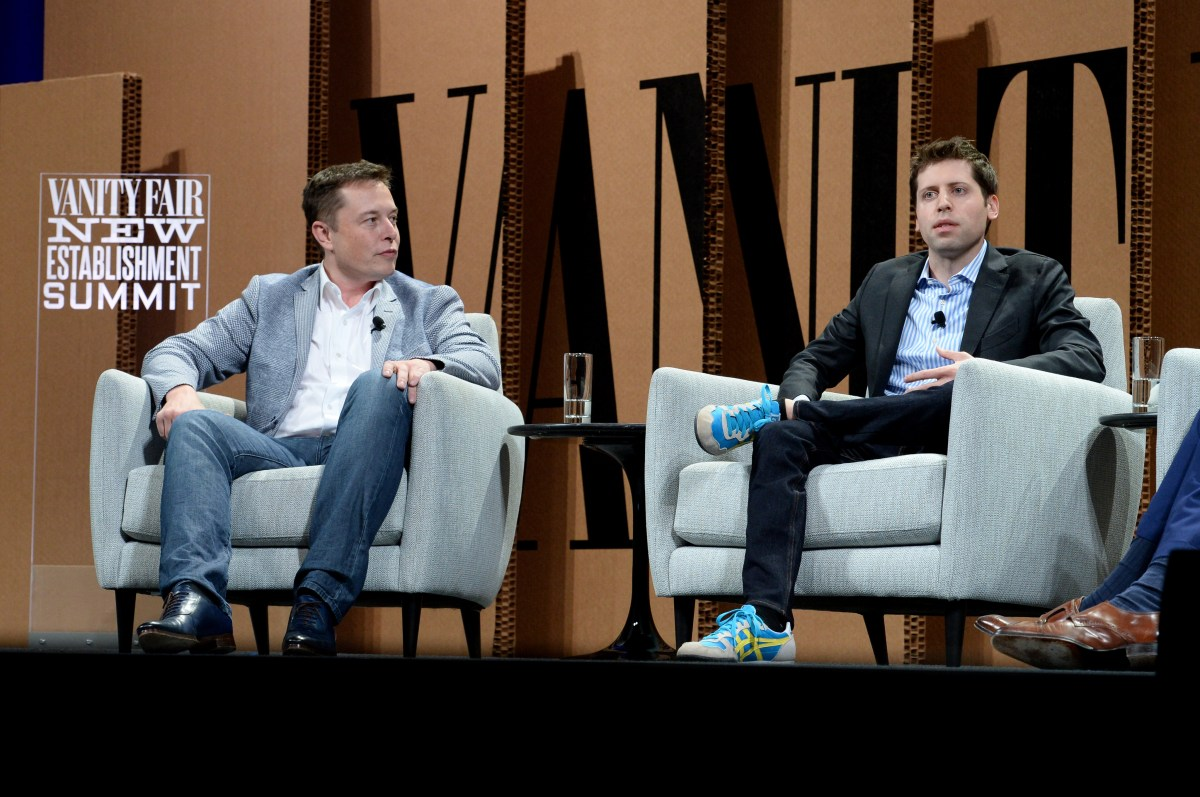
Elon Musk’s lawsuit against OpenAI continues to unfold, revealing key concerns about the company’s shift from a nonprofit to a for-profit structure. Musk argues that this transition undermines OpenAI’s original mission to benefit humanity through AI research. While a federal judge recently denied Musk’s request for an injunction to stop this conversion, she raised important questions about the implications of such a move. The case highlights the tension between profit and public good in AI development.
Key Points to Note
- Musk’s lawsuit names OpenAI, Microsoft, and CEO Sam Altman, claiming they have strayed from their nonprofit roots.
- Judge Yvonne Gonzalez Rogers expressed concerns about potential harm to the public when nonprofit funds are used for profit conversion.
- An expedited trial is set for fall 2025, giving Musk’s team a chance to further challenge OpenAI’s restructuring plans.
- Musk’s xAI company competes directly with OpenAI, intensifying the rivalry between him and Altman.
Significance of the Case
This legal battle matters because it raises crucial questions about the future of AI governance and safety. OpenAI’s transition could set a precedent for how tech companies balance profit motives with ethical responsibilities. The judge’s comments suggest that regulators may scrutinize OpenAI’s actions more closely. As the AI landscape evolves, the outcome of this case could influence how other tech firms approach their missions and the societal implications of their technologies. Stakeholders will be watching closely as the situation develops, particularly in light of concerns that profit motives could overshadow public safety.