
Understanding the Shift to AI in Vineyards
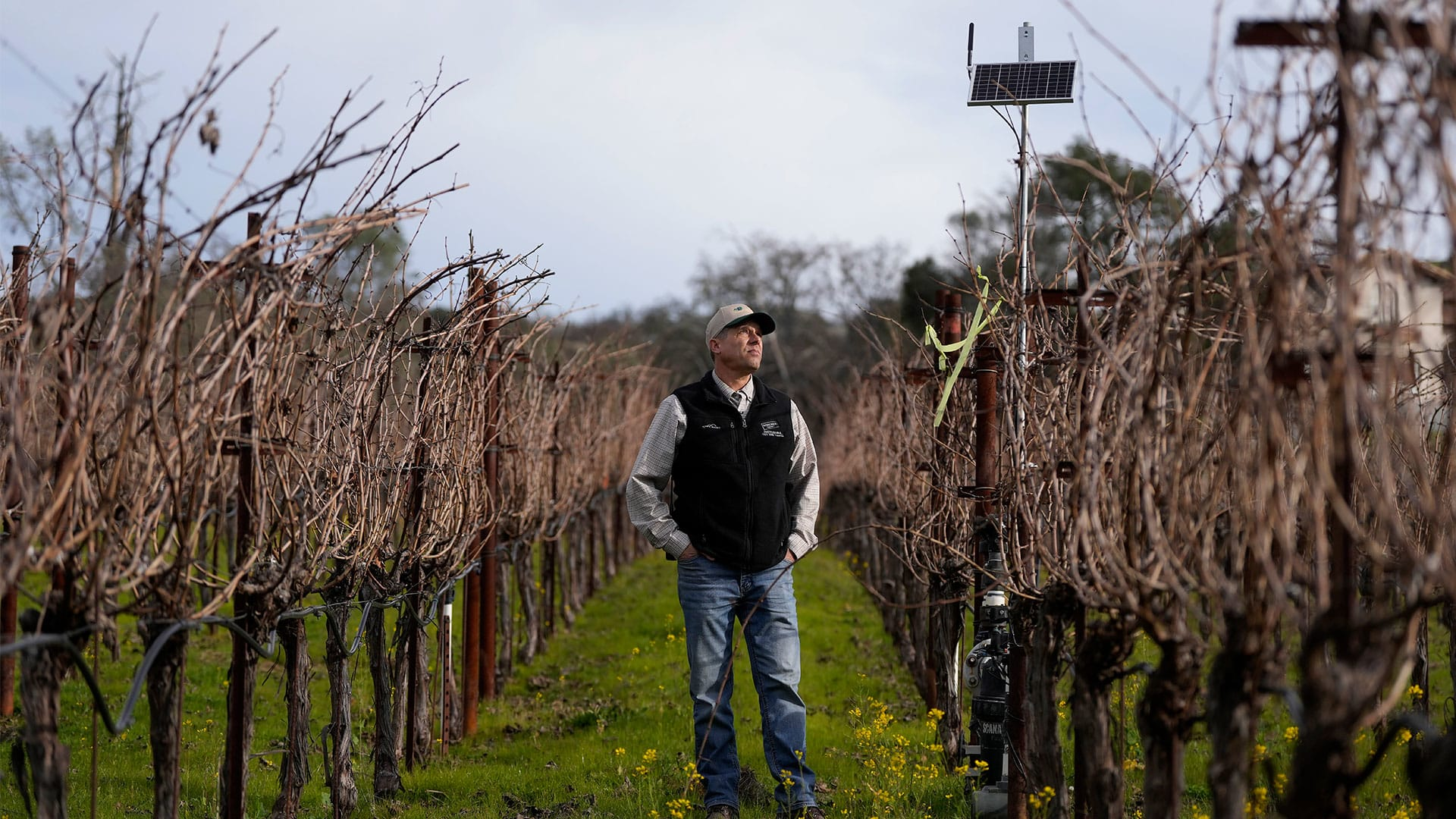
The integration of artificial intelligence in vineyards is revolutionizing how farmers manage their crops. Early adopters like Tom Gamble are using autonomous tractors and AI technology to enhance productivity and sustainability. By mapping vineyards with AI sensors, farmers can make better decisions about crop management, leading to what is termed “precision farming.” This innovation is not just about replacing human labor; it aims to improve efficiency and reduce fatigue while maintaining the essential human touch in farming.
Key Highlights
- Gamble’s autonomous tractor will help reduce fuel consumption and pollution.
- AI technology assists in monitoring water use and optimizing fertilizer application.
- Larger agricultural companies, like John Deere, are already implementing AI solutions for better crop management.
- Smaller vineyards face challenges due to high costs and lack of training resources, leading to skepticism about adopting AI.
The Bigger Picture: Embracing Change in Agriculture
The adoption of AI in the wine industry represents a significant shift towards sustainable farming practices. While larger operations can invest in these technologies, smaller vineyards may struggle to keep pace. However, the potential benefits of AI—such as disease detection and yield forecasting—could ultimately enhance the resilience of the entire industry. As farmers adapt to new technologies, the focus will remain on improving crop health and ensuring a sustainable future for vineyards, making AI an essential tool in modern agriculture.





