
Understanding the Shift in Military Command
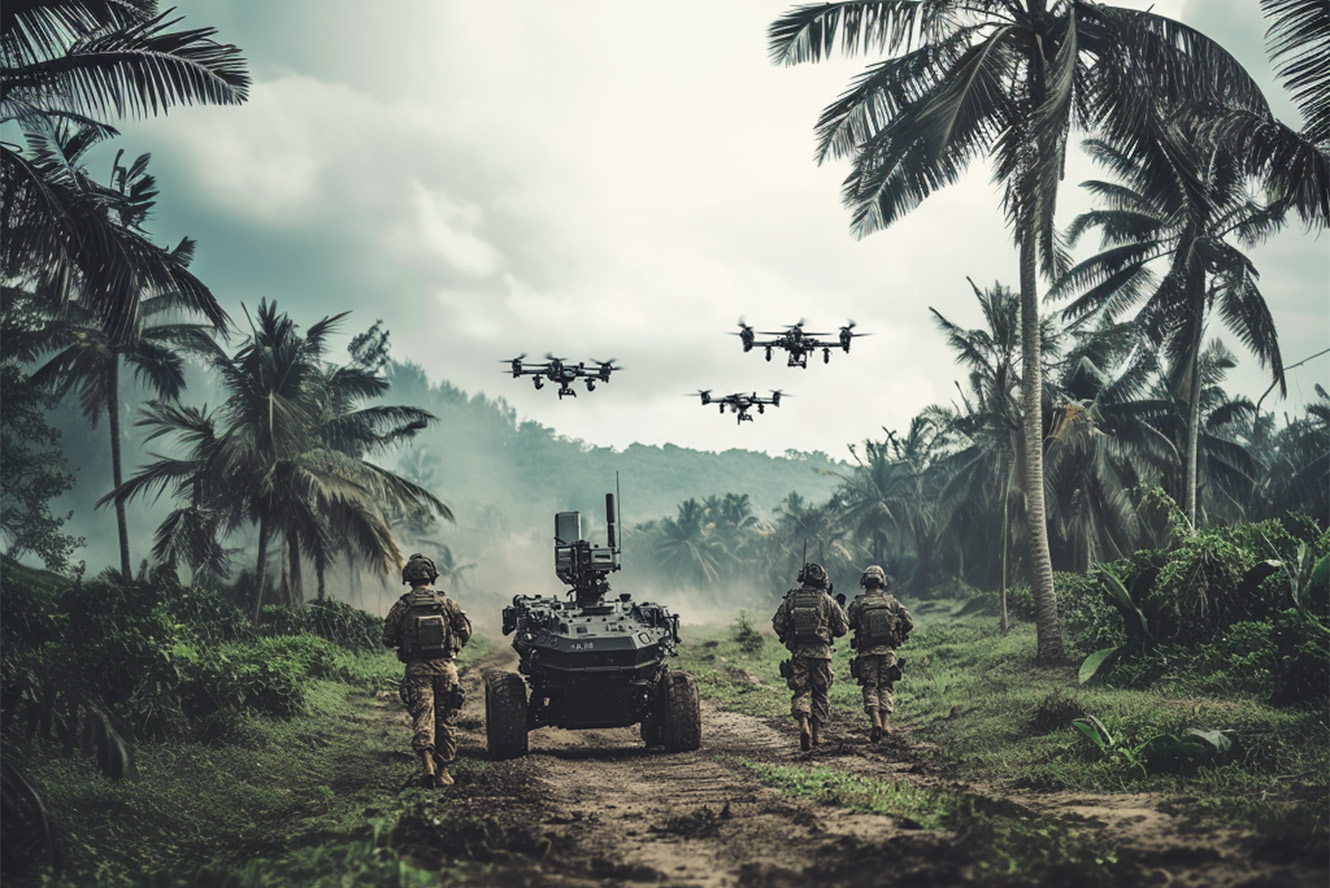
The military landscape is evolving rapidly with the integration of AI and autonomous systems in mission command. This transformation is crucial for the U.S. Army to conduct effective multidomain operations by 2030. The use of AI-driven technologies allows for real-time data analysis, enhancing situational awareness and decision-making on the battlefield. Commanders can now leverage data from various sources to make informed decisions, ensuring that they maintain a tactical advantage over adversaries.
Key Details of the Transformation
- The Army is focusing on a data-centric approach that enhances decision-making speed.
- Commanders are adopting AI algorithms to assess terrain and enemy movements, improving combat strategies.
- Education and training for military leaders must evolve to include a strong understanding of AI and data usage.
- The integration of AI does not replace mission command but rather augments it, enabling better communication between human and machine teams.
The Importance of Adaptation
This shift towards data-centric warfare is not just about technology; it requires a fundamental change in how military leaders are trained and educated. Understanding AI and data literacy is essential for all soldiers, ensuring they can effectively utilize these tools in combat. As the Army adapts to these changes, it will enhance its operational effectiveness and maintain its competitive edge in future conflicts. The success of this transformation hinges on a commitment to education and a culture of continuous learning within the armed forces.





