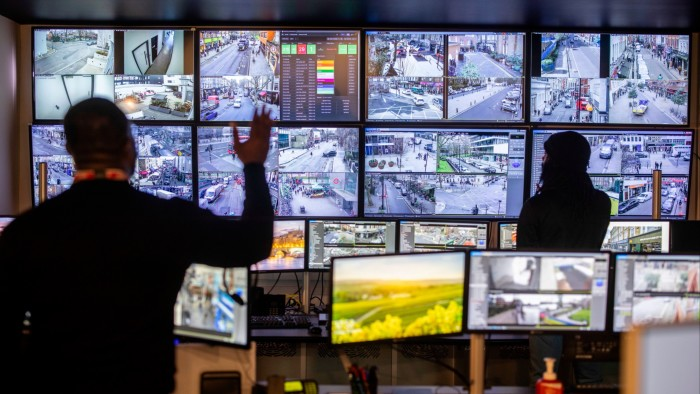
Overview of the Situation
London is increasing its surveillance capabilities significantly, driven by security concerns and rising crime rates. Local councils are investing heavily in CCTV systems, with a notable shift towards AI-enhanced technology. This move is seen as essential for managing public safety, especially amid rising incidents of crime in the city. The use of AI in surveillance is set to revolutionize how authorities monitor urban spaces and respond to threats.
Key Points to Note
- Spending on CCTV in London reached £30.4 million in the last fiscal year, a 25% increase.
- Hammersmith and Fulham has the densest network of CCTV cameras in the UK, with plans to integrate AI for better tracking of suspects.
- Critics warn that advanced surveillance might infringe on personal privacy and lead to misuse without proper regulations.
- Some councils are hesitant about facial recognition technology, while retailers are rapidly adopting it to combat theft.
Significance of the Developments
The push for AI in surveillance reflects broader societal concerns about safety versus privacy. As crime rates rise, especially in urban areas, local governments feel compelled to enhance their monitoring capabilities. However, the lack of regulation around these technologies raises ethical questions. Balancing public safety with civil liberties is crucial, especially as untested technologies become commonplace. The future of surveillance in London may shape not only crime prevention strategies but also the public’s perception of privacy and security in everyday life.