Understanding the Threat Landscape
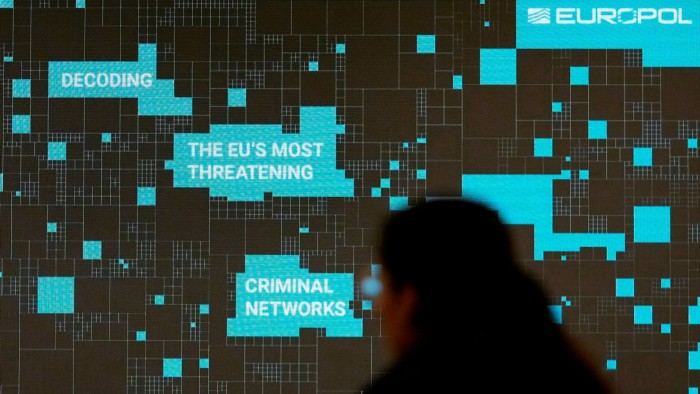
Europol’s recent report highlights the alarming rise of artificial intelligence in organized crime. Criminal organizations are increasingly acting as proxies for state actors, using advanced technology to execute hybrid attacks. This trend poses significant challenges for national security across the EU. The report underscores how geopolitical tensions have created opportunities for these criminal networks to disrupt institutions and destabilize governments.
Key Findings from Europol’s Report
- Criminal organizations are using AI to enhance the efficiency and sophistication of their operations.
- Cybercrime is shifting focus from individual targets to critical infrastructure and government entities.
- New AI technologies enable the creation of realistic fake media, making deception easier for criminals.
- Online fraud schemes have reached unprecedented levels, exploiting personal data through automated attacks.
- Traditional crimes like drug smuggling and human trafficking are increasingly moving online, aided by AI.
Implications for Society
The integration of AI into criminal activities raises serious concerns for public safety and governance. As cyber attacks become more precise and ideologically driven, the need for robust security measures grows. The report highlights the urgent need for new regulations to combat these threats, especially regarding online child exploitation. With only a small fraction of illicit profits being recovered, the challenge for law enforcement is daunting. The rise of AI in crime not only endangers individuals but also undermines the very fabric of democratic institutions.