Understanding the Challenge
Freshwater pollution is a growing global crisis that threatens drinking water supplies. With various sources like industrial waste, agricultural runoff, and untreated wastewater, the need for effective solutions is urgent. Innovators are turning to artificial intelligence (AI) to improve detection and management of water contaminants. AI can analyze data in real-time, making it invaluable for identifying pollution sources and enabling quicker cleanup efforts.
Key Insights
- AI can significantly enhance water quality monitoring by analyzing video and images from inspections, reducing human error in identifying issues.
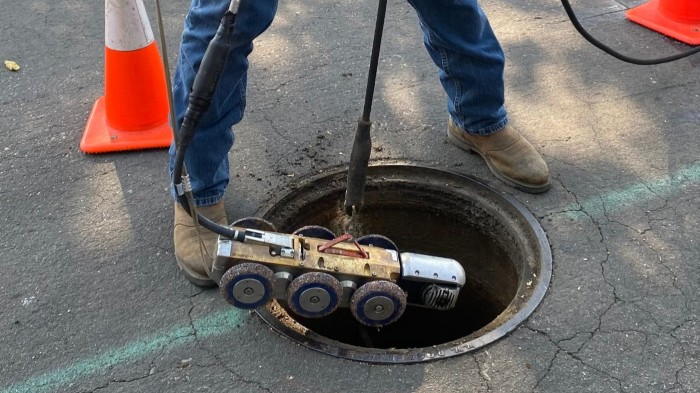
- Companies like Autodesk are leveraging AI to automate the review of CCTV footage from water systems, increasing efficiency and accuracy.
- In agriculture, AI helps optimize fertilizer use, reducing chemical runoff into water supplies.
- Projects like AquAffirm in Pakistan demonstrate the potential of AI and digital sensors to detect toxic elements like arsenic in water sources.
The Bigger Picture
AI offers a transformative approach to managing water pollution, but its effectiveness relies heavily on the quality of data. Accurate, granular data is crucial for making informed decisions. While AI can provide powerful insights, relying on limited data could lead to poor outcomes. As global water resources become scarcer, the integration of AI in water management is not just innovative; it is essential for ensuring safe and sustainable water supplies for future generations.