
Understanding the Shift in Workforce Dynamics
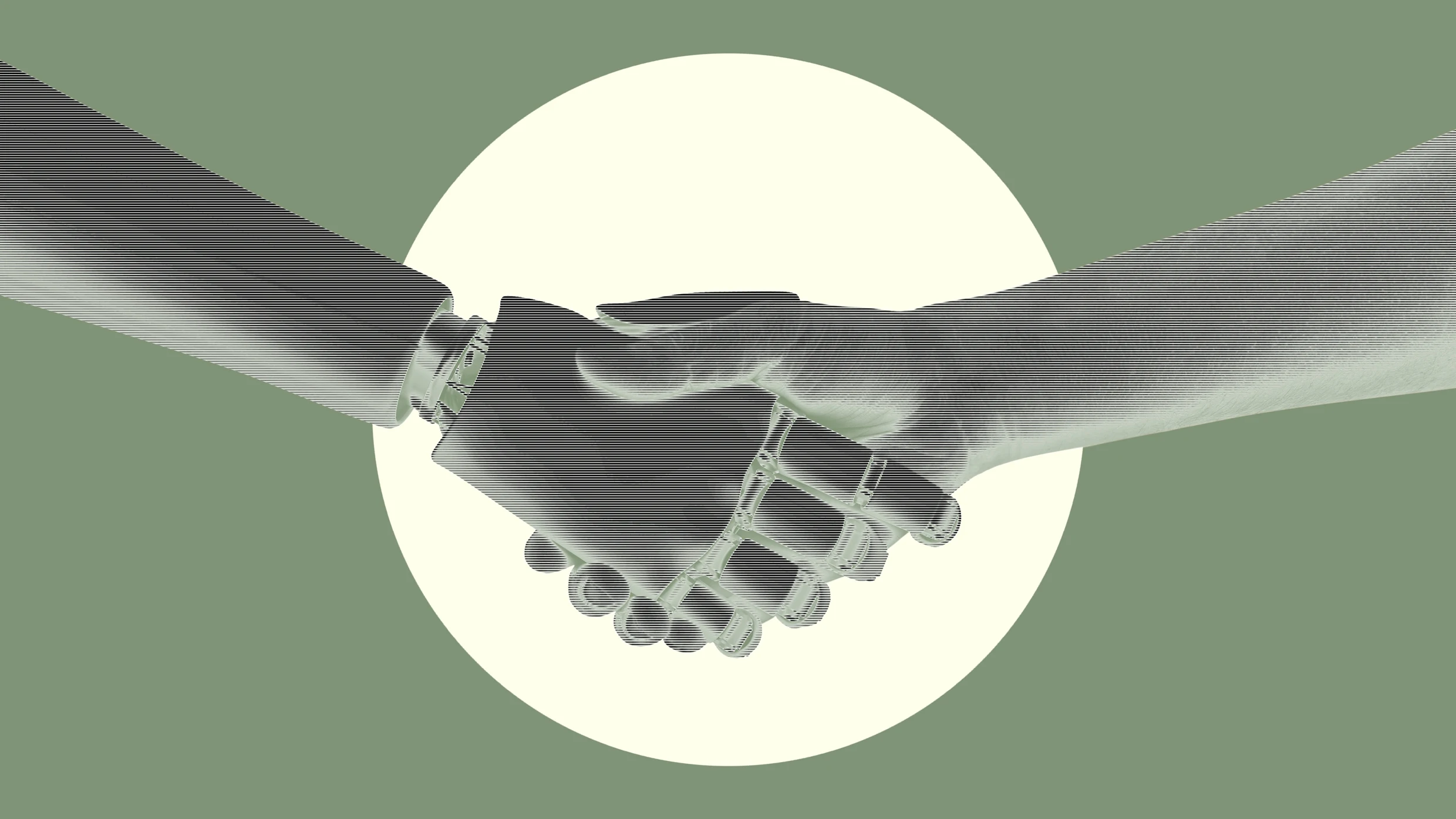
The rise of artificial intelligence is reshaping the labor market, sparking fears of job displacement. However, this transformative technology offers a different narrative. Instead of replacing skilled workers, AI is empowering them to become managers of AI agents. These agents can perform tasks efficiently and effectively, allowing humans to focus on higher-level management roles. This shift presents an opportunity for professionals to leverage AI’s capabilities to achieve better outcomes in their work.
Key Insights on AI’s Impact
- AI is evolving from a tool used by humans to a collaborative partner that operates autonomously.
- Managers will need a blend of people skills and technical knowledge to guide AI agents effectively.
- Historical trends suggest that technological advancements can create new job opportunities, even as some positions may be lost.
- Education systems must adapt to emphasize practical skills, ensuring the workforce is prepared for an AI-driven economy.
The Bigger Picture: Embracing Change
The transition to an AI-centered economy may cause short-term disruptions, but it can also lead to new markets and industries. Preparing for this shift is essential. Companies and individuals alike must prioritize AI literacy and critical thinking. By equipping themselves with the right skills, workers can thrive in a future where AI is a vital part of the team. The future is not about fewer jobs; it’s about new roles that we have yet to imagine and the importance of human oversight in AI-driven processes.





