Understanding the Shift in Patent Law
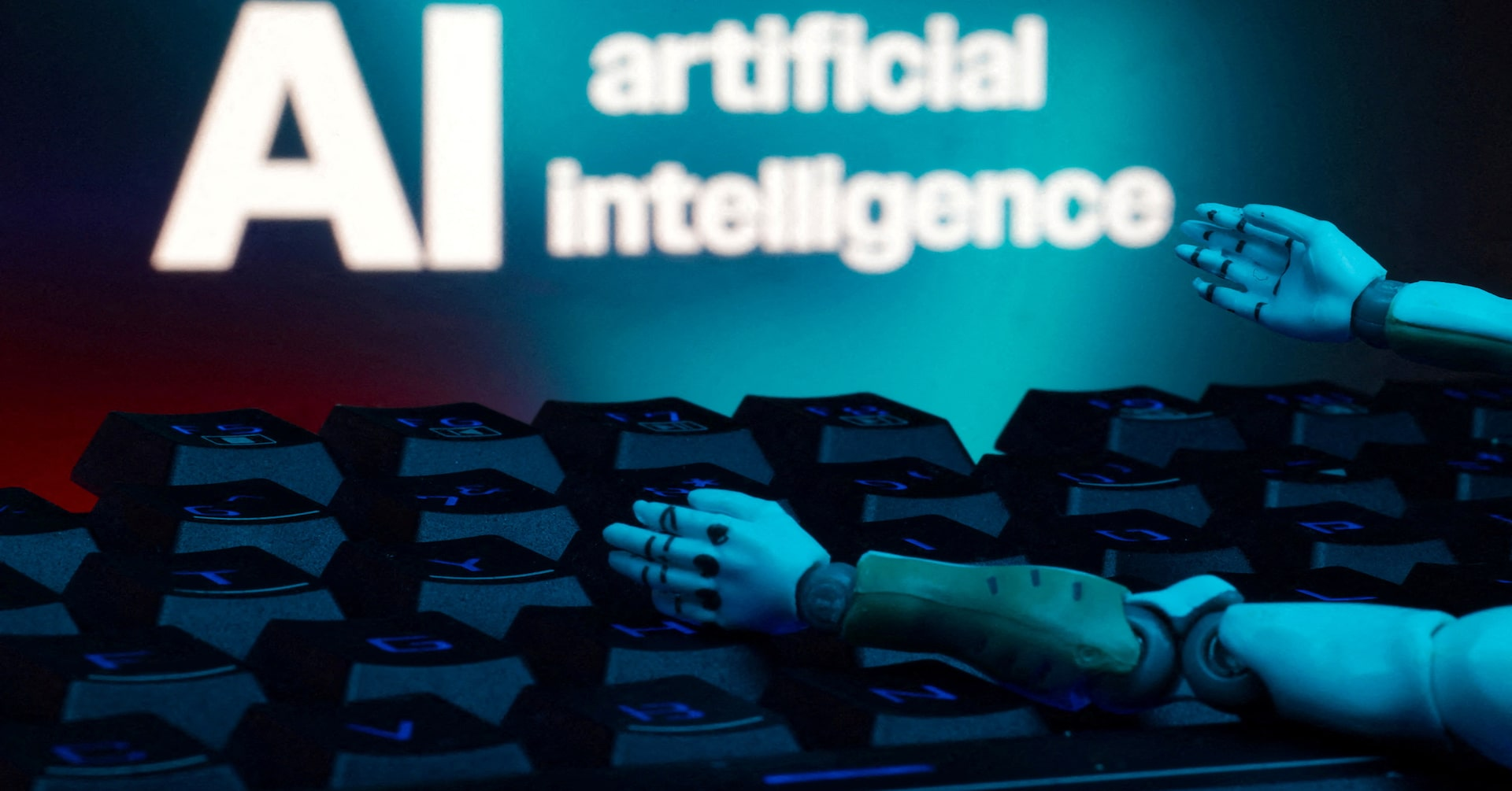
Artificial Intelligence (AI) is changing patent law significantly. The focus has been on whether inventions created by AI can be patented. However, the more pressing issue is how AI affects human inventors’ rights to patents. As AI technology improves, it may make fewer inventions patentable. The patent system is designed to reward inventors for sharing their discoveries, but AI may redefine what is considered an “obvious” invention.
Key Insights on AI and Patents
- The Supreme Court has ruled that only humans can be inventors, as seen in Thaler v. Vidal.
- AI is becoming a common tool for inventors, influencing what is deemed “obvious” in inventions.
- As AI can rapidly iterate and optimize, many advances may be seen as routine and thus not patentable.
- Recent cases, like AliveCor v. Apple, show that using AI in known methods may lead to patents being invalidated for obviousness.
The Broader Implications of AI in Innovation
The integration of AI into patent law is crucial for the future of innovation. As AI becomes a standard tool, it will redefine the criteria for patentability. This could mean more inventions become routine, but it may also lead to stronger patents for groundbreaking technologies. AI has the potential to help inventors meet the requirements for patent enablement, allowing for broader claims and faster experimentation. Overall, the evolving role of AI in the patent system will impact inventors, industries, and the pace of technological advancement.