Understanding the Threat Landscape
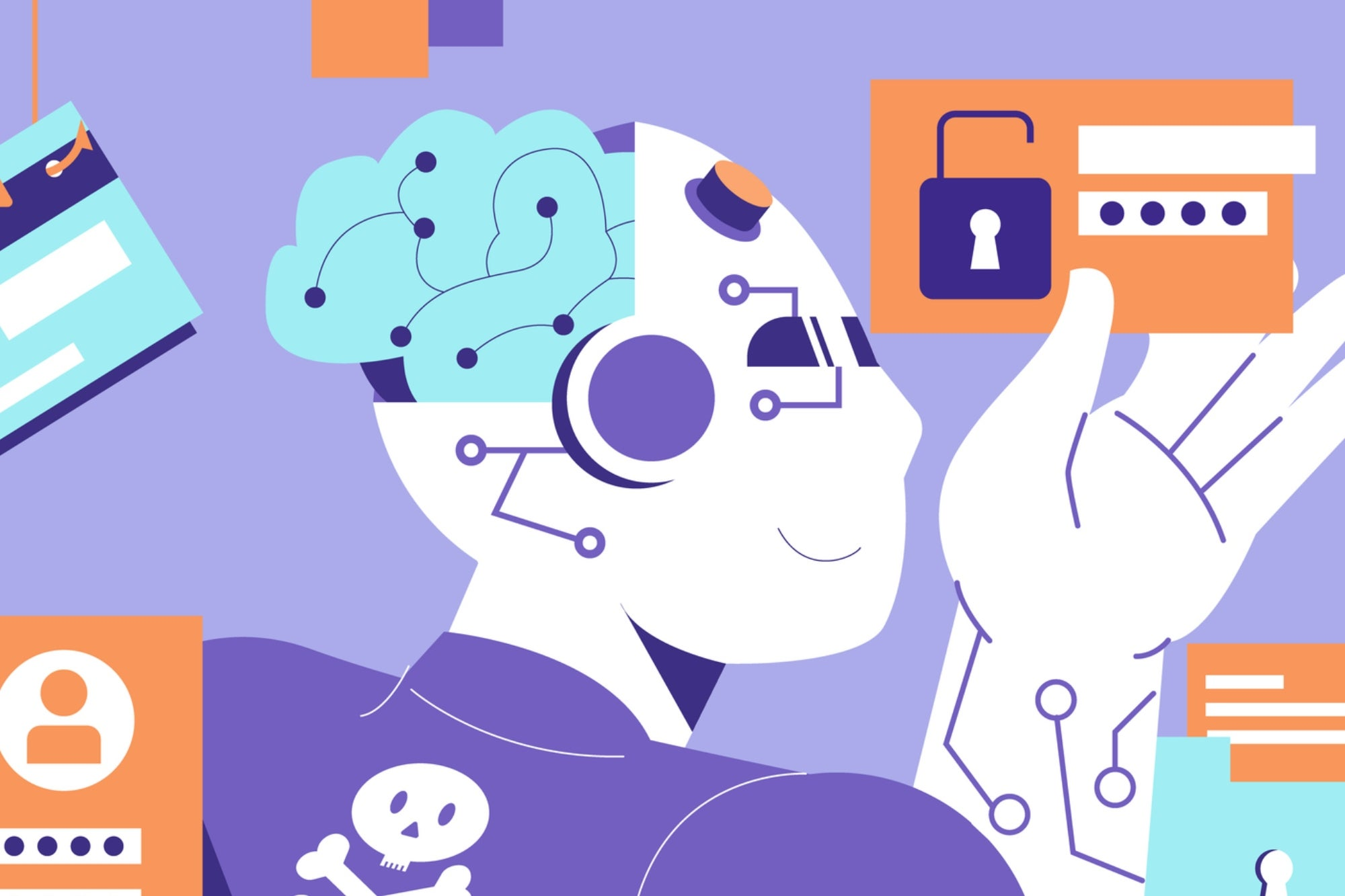
AI-driven fraud is increasingly becoming a serious issue for businesses worldwide. With the rise of deepfake technology, scammers can convincingly impersonate individuals, leading to significant financial losses. A notable case involved a Hong Kong finance employee who lost $25 million due to a deepfake impersonation of his CFO. This incident highlights the urgent need for companies to recognize the risks associated with digital interactions, especially in a post-Covid work environment where remote communication is prevalent.
Key Principles for Safeguarding Your Business
- Acknowledge Vulnerabilities: Understand that a vast amount of personal and corporate information is available online, which can be exploited by criminals.
- Implement Security Measures: C-level executives must be cautious about their online presence and adopt cybersecurity practices like multifactor authentication to protect sensitive information.
- Leverage Advanced Tools: Utilize AI and open-source intelligence (OSINT) methods to detect and prevent deepfakes and other digital risks. AI can analyze patterns and identify anomalies that may indicate fraud attempts.
- Cultivate Critical Thinking: Foster a culture of awareness among employees. Encourage them to think critically about suspicious activities and empower them to report potential threats.
The Bigger Picture
Addressing AI fraud is essential for maintaining trust and security in business operations. As technology evolves, so do the tactics of fraudsters. Companies must work collectively to build a safer digital environment. Investing in employee training, adopting robust security measures, and utilizing advanced detection tools can significantly mitigate risks. By prioritizing these strategies, businesses can not only protect themselves but also contribute to a more secure online ecosystem.