Understanding the Shift to AI in Education
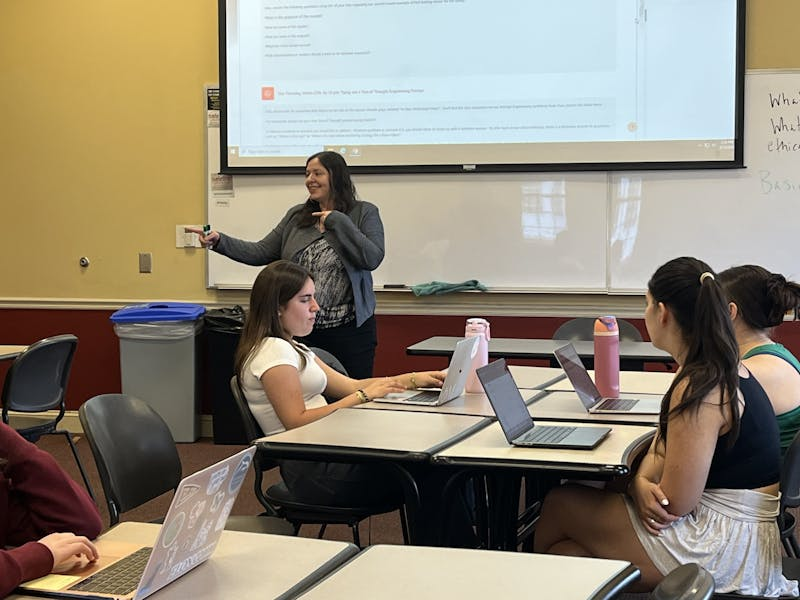
The introduction of generative artificial intelligence (AI) is transforming educational practices at Elon University. Professors like Helen Orr and Michele Lashley are integrating AI into their courses to prepare students for a world where AI plays a significant role. Orr teaches a course on Religion and AI, focusing on critical thinking and the implications of algorithmic bias. Lashley incorporates AI tools in her strategic communications classes, encouraging students to experiment with AI to enhance their creativity and problem-solving skills. The university has also established principles to guide the ethical use of AI in education.
Key Insights
- Orr’s REL1702 course examines the relationship between religion and AI, emphasizing critical thinking and diversity.
- The Elon AI Hub and ElonGPT chatbot provide resources and support for students to explore AI tools.
- Workshops on AI problem-solving are offered to enhance student engagement and understanding.
- Students express mixed feelings about AI’s impact on creativity and job security, highlighting the need for balanced integration.
The Bigger Picture
The integration of AI in education is crucial as it prepares students for future careers where AI will be prevalent. By teaching students how to use AI responsibly and effectively, educators aim to foster creativity rather than stifle it. The ongoing dialogue around AI’s advantages and ethical concerns reflects the need for a thoughtful approach to its use in academia. As AI continues to evolve, institutions like Elon University are setting a precedent for how to adapt educational practices to meet the demands of a changing world.