
Understanding the Intersection of AI and Humanity
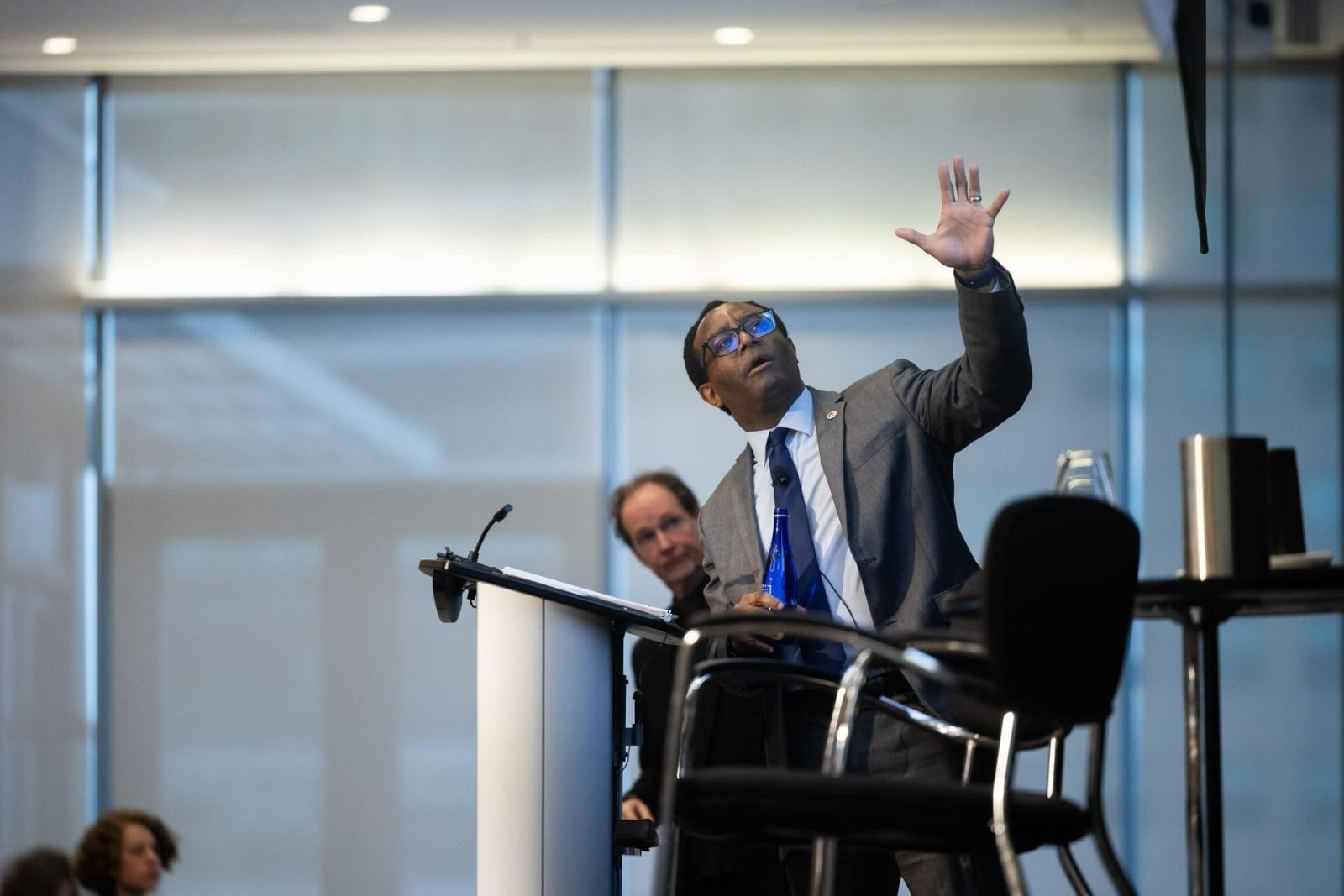
A recent lecture by Howard University President Ben Vinson III at MIT explored the complex relationship between artificial intelligence and human reasoning. He emphasized the need for society to confront fundamental questions about humanity as AI technology advances. Vinson drew parallels between historical intellectual elitism and current concerns regarding AI’s role in defining what it means to be human.
Key Insights from the Lecture
- Vinson highlighted how past ages of reason often excluded vast groups from intellectual discourse, leading to human rights violations.
- He warned of the potential for AI to create new hierarchies of perceived intelligence, further marginalizing certain groups.
- The rapid evolution of AI raises questions about whether humanity is moving toward a future where human reasoning is overshadowed by machine reasoning.
- Vinson advocates for diverse voices in AI development to combat historical biases and ensure technology benefits all humanity.
The Importance of Inclusive AI Development
The discussion matters because it urges society to critically assess how AI could redefine human identity and rights. As AI systems become more autonomous, the risk of dehumanization increases if we do not actively shape their development. The future of AI should reflect a commitment to equity and inclusion, ensuring that all voices contribute to its evolution. This is crucial for preventing the repetition of past injustices and fostering a future where technology serves everyone.





