Understanding the Incident
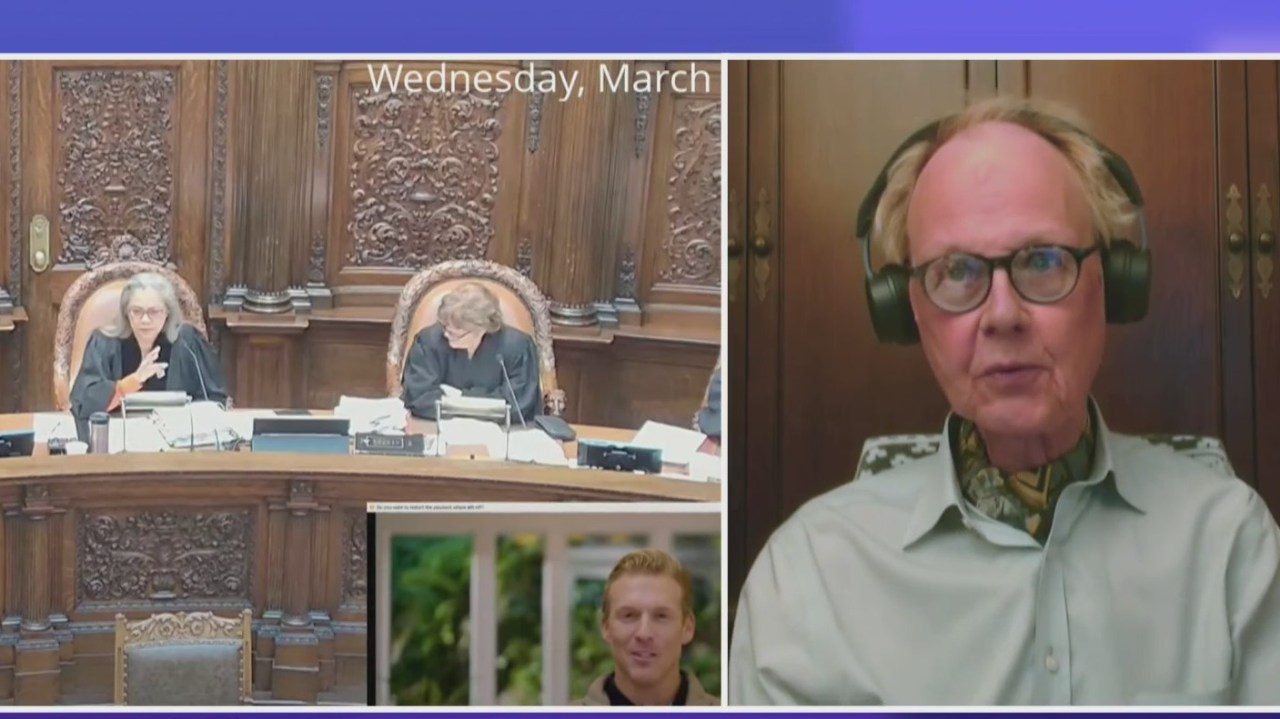
A cancer survivor’s effort to use an AI avatar during a New York court hearing faced swift rejection from a judge. Jerome Dewald, who struggles with speech due to past throat cancer, aimed to present his case through a digital replica of himself. This technology was meant to help him articulate his arguments better. However, when the judge realized the avatar was not a real person, she halted the presentation. Dewald, representing himself in a legal dispute, expressed that he felt pressure and intimidation in the courtroom.
Key Details of the Case
- Dewald had received initial approval to use a video but faced technical issues.
- The avatar introduced itself to the court, which led to confusion.
- Justice Sallie Manzanet-Daniels expressed her discontent, thinking Dewald was misleading the court.
- Dewald clarified that he was not promoting a business, just attempting to utilize new technology.
- After the incident, he sent an apology letter to the court, hoping for a fair judgment despite the mishap.
Significance of the Situation
This incident highlights the challenges and potential misuses of AI in legal settings. As technology evolves, courts must navigate the balance between innovation and maintaining the integrity of legal proceedings. Dewald’s case reflects the broader implications of AI in communication, especially for those with disabilities. It raises questions about the future of technology in courtrooms and how it can be effectively integrated without compromising justice.