Exploring the Rise of Humanoid Robotics
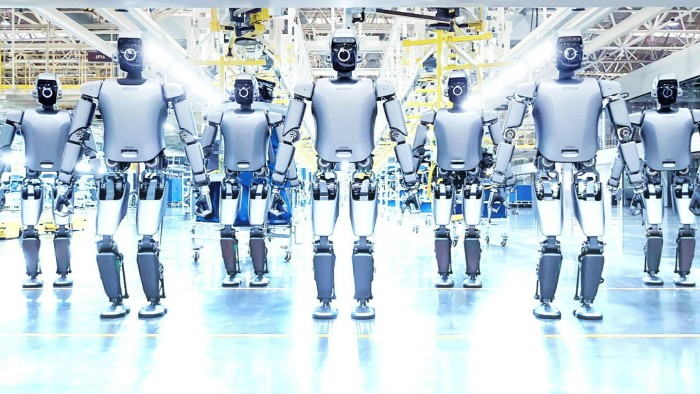
China is rapidly advancing in the field of humanoid robotics, with companies like Unitree leading the charge. Visitors at Unitree’s headquarters can interact with their G1 robot, showcasing its impressive balance and agility. The industry is gaining momentum, attracting attention for its potential to revolutionize technology. Analysts predict that humanoid robots could become as common as smartphones and electric vehicles, with the market expected to reach $205 billion by 2035. The competition includes major US firms like Tesla and Boston Dynamics, but China’s manufacturing advantages provide a significant edge.
Key Highlights
- Unitree and other Chinese startups are innovating in humanoid robotics, showcasing their capabilities through engaging performances.
- The Chinese government is heavily investing in the sector, with a $137 billion state-led venture fund and local subsidies.
- The cost of producing humanoid robots is significantly lower in China, making it easier for startups to experiment and innovate.
- While the US has technological advantages in certain areas, China’s rapid product development and diverse models are reshaping the landscape.
The Bigger Picture
The growth of humanoid robotics in China represents a strategic move in global tech competition. With government support and a robust supply chain, the country aims to dominate this emerging industry. The potential applications of humanoid robots extend beyond entertainment, with possibilities in manufacturing, retail, and public services. However, challenges remain in their practical use and commercial viability. As the market evolves, the balance between innovation and practical application will be crucial for success.