Understanding the Breakthrough
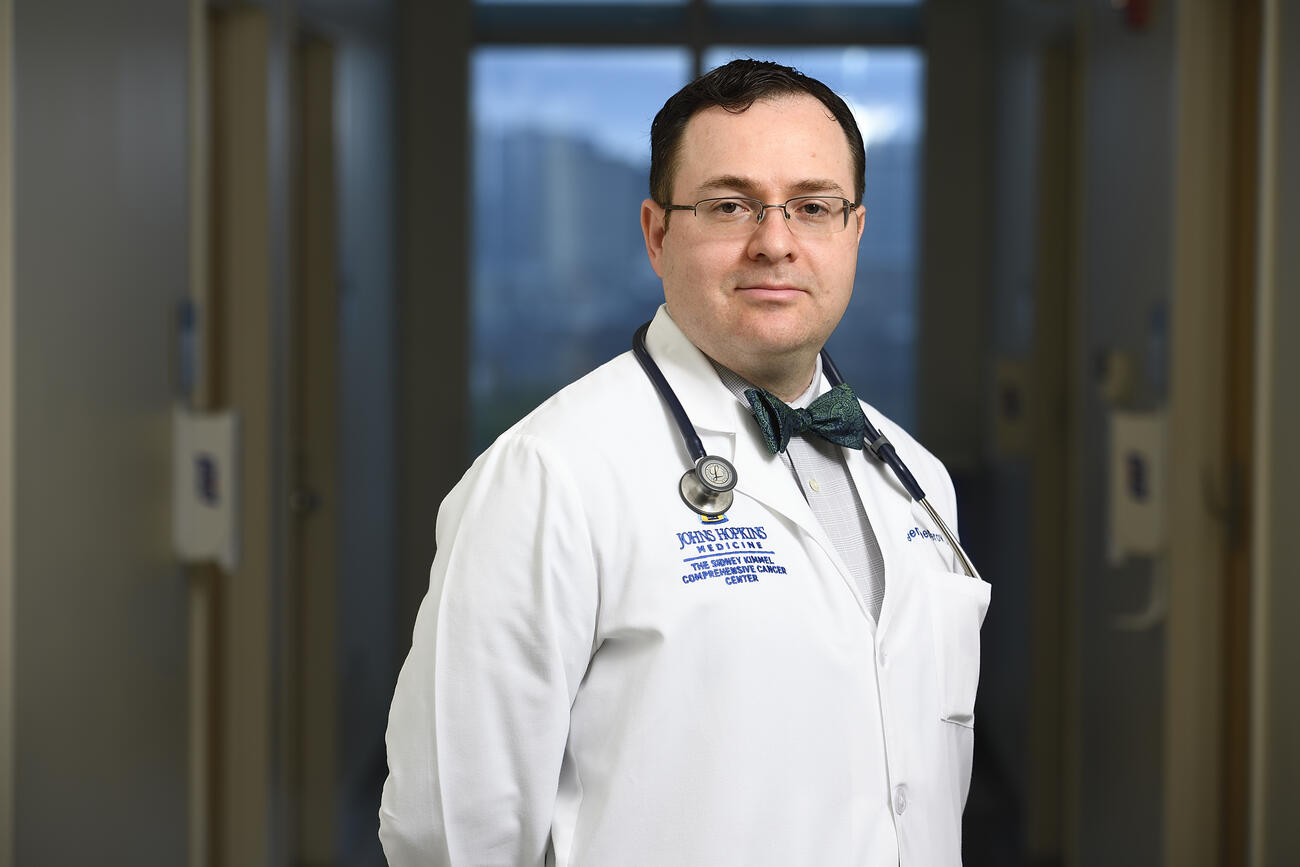
Eugene Shenderov, a cancer survivor and now an associate professor at Johns Hopkins University, is pushing the boundaries of cancer research. His focus is on acute promyelocytic leukemia (APL), a rare type of leukemia that can turn deadly if not diagnosed quickly. Shenderov’s work includes using artificial intelligence to improve diagnosis times, which can significantly impact patient outcomes. The technology he is developing aims to help doctors identify APL much faster, potentially saving lives.
Key Highlights
- Shenderov’s AI program, the “Leukemia Smart Physician Aid,” can diagnose APL in hours instead of days.
- APL has a high survival rate if caught early, thanks to effective treatments.
- The AI tool uses inexpensive blood smears, making it accessible in low-resource areas.
- Funding cuts threaten ongoing cancer research, which could hinder future breakthroughs.
The Broader Significance
The implications of Shenderov’s work extend beyond APL. His AI technology could be adapted for other diseases, potentially revolutionizing how blood-related illnesses are diagnosed globally. However, the future of such innovations is uncertain due to reduced funding for cancer research. Shenderov emphasizes that research is essential for developing new treatments, regardless of political affiliations. His mission is to advocate for increased support for cancer research to ensure continued advancements in patient care.