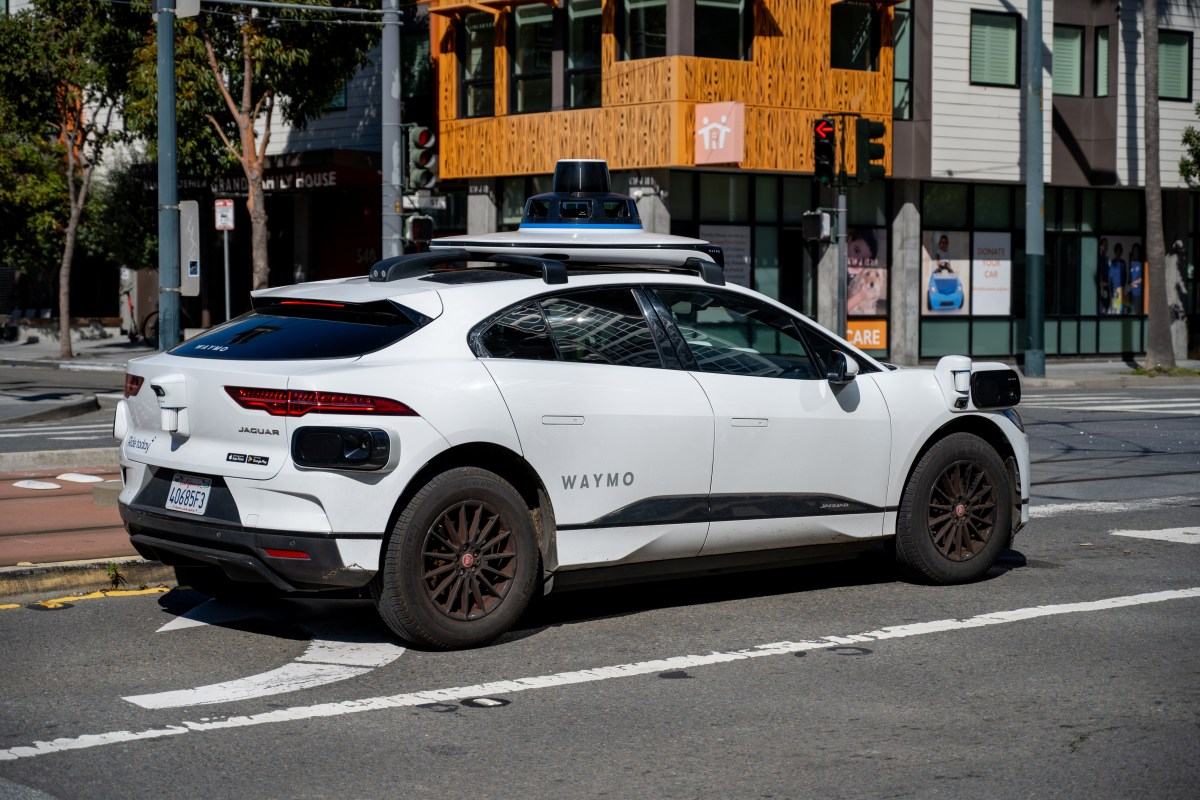
Overview of Waymo’s Data Usage
Waymo is planning to use data collected from its robotaxis, including video footage from interior cameras linked to riders’ identities, for training generative AI models. This move raises significant privacy concerns about how rider behavior inside autonomous vehicles could be utilized. The company will provide an option for riders to “opt out” of having their personal information shared or used for AI training. Currently, Waymo collects personal data to enhance its services and for advertising purposes, but the introduction of interior camera data adds a new layer of complexity to privacy issues.
Key Details
- Waymo intends to use interior camera data for generative AI training, allowing riders to opt out of this data usage.
- The company already collects personal data for service improvement and advertising, but the new feature will not alter its existing privacy policy.
- Riders can choose to opt out of sharing personal information with third parties, although some sharing may still be necessary for service functionality.
- Waymo is the only autonomous vehicle company generating revenue from robotaxi rides in the U.S., logging over 200,000 paid rides weekly.
Implications for Privacy and Business
The potential use of interior camera data for AI training raises important questions about user privacy in autonomous vehicles. As Waymo expands its services and explores additional revenue streams, including in-vehicle advertising and data sharing, maintaining rider trust becomes crucial. The ability for riders to opt out of data collection is a step towards transparency, but it remains unclear how effectively this will be communicated to users. The financial backdrop shows that while Waymo is growing, it is still operating at a loss, prompting the need for innovative revenue strategies that do not compromise rider privacy.