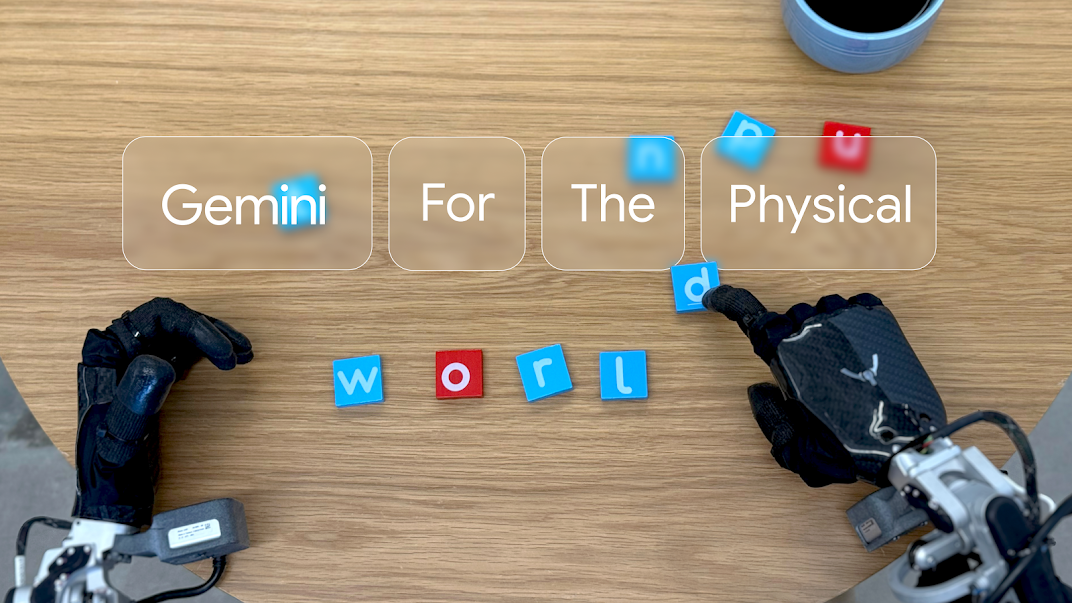
Exploring the Future of AI and Robotics
Google is embarking on a groundbreaking mission to give artificial intelligence a physical presence. With its new AI models, Gemini Robotics, the company aims to bridge the gap between digital intelligence and the physical world. By developing robots that can understand and interact with their environment, Google seeks to revolutionize how AI functions beyond mere data processing. This initiative could lead to a new era of robotics where machines become intuitive helpers in everyday life.
Key Highlights
- Google introduces Vision Language Action Models (VLAs) that allow robots to understand speech and visual information in real-time.
- Two robots, Gemini Robotics and Gemini Robotics-ER, were unveiled, showcasing advanced capabilities for physical interaction.
- The goal is to create adaptable robots that can learn from their surroundings and perform complex tasks without extensive programming.
- Challenges include ensuring robots can communicate effectively, manipulate objects with dexterity, and operate safely around humans.
The Bigger Picture
This endeavor matters because it represents a significant shift in how we interact with technology. As robots gain physical capabilities, they could profoundly impact our daily lives, from household chores to emergency assistance. However, this transformation also raises ethical questions about the role of AI in society, job displacement, and safety. Addressing these issues will be crucial as we navigate this new frontier in AI and robotics, potentially reshaping our relationship with technology and each other.