Understanding the Threat
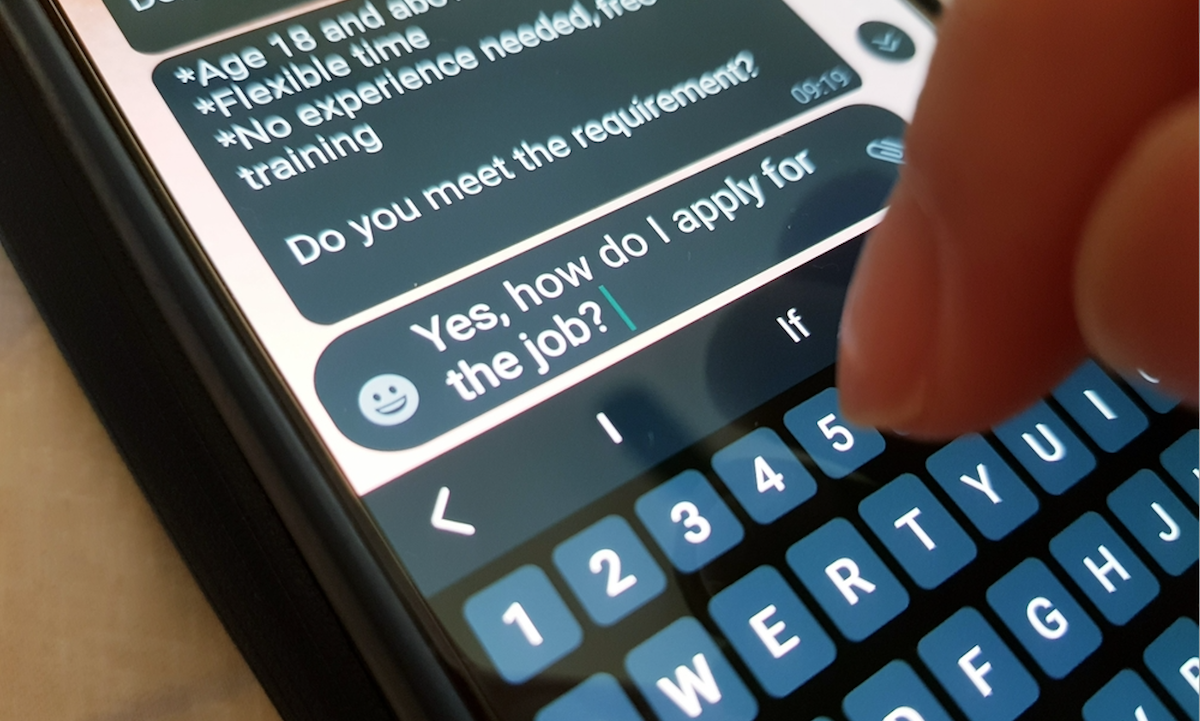
Generative AI tools are creating a new challenge for companies. Job seekers are using these technologies to create fake identities. They can produce false profiles, fake photo IDs, and even deepfake videos for job interviews. The goal is to secure remote jobs, which they then exploit. This trend is alarming, especially as it targets various industries, particularly cybersecurity and cryptocurrency firms. Research indicates that by 2028, a significant number of job candidates—1 in 4—could be fraudulent.
Key Insights
- Fraudsters use AI to craft convincing job applications and identities.
- Companies face risks such as data theft, financial loss, and malware attacks.
- Businesses are implementing identity verification solutions to combat this issue.
- Digital identity verification has become crucial for remote hiring, especially post-pandemic.
The Bigger Picture
This situation highlights the increasing sophistication of cyber threats. Companies are now more vulnerable to scams and fraud, with significant financial losses reported in recent years. As bad actors improve their methods, businesses must adapt their security measures. Utilizing AI for identity verification and cybersecurity is essential to protect against these evolving threats. The rise of fake job seekers underscores the need for robust hiring processes and technology-driven solutions to ensure safety and integrity in employment practices.