Understanding the Debate
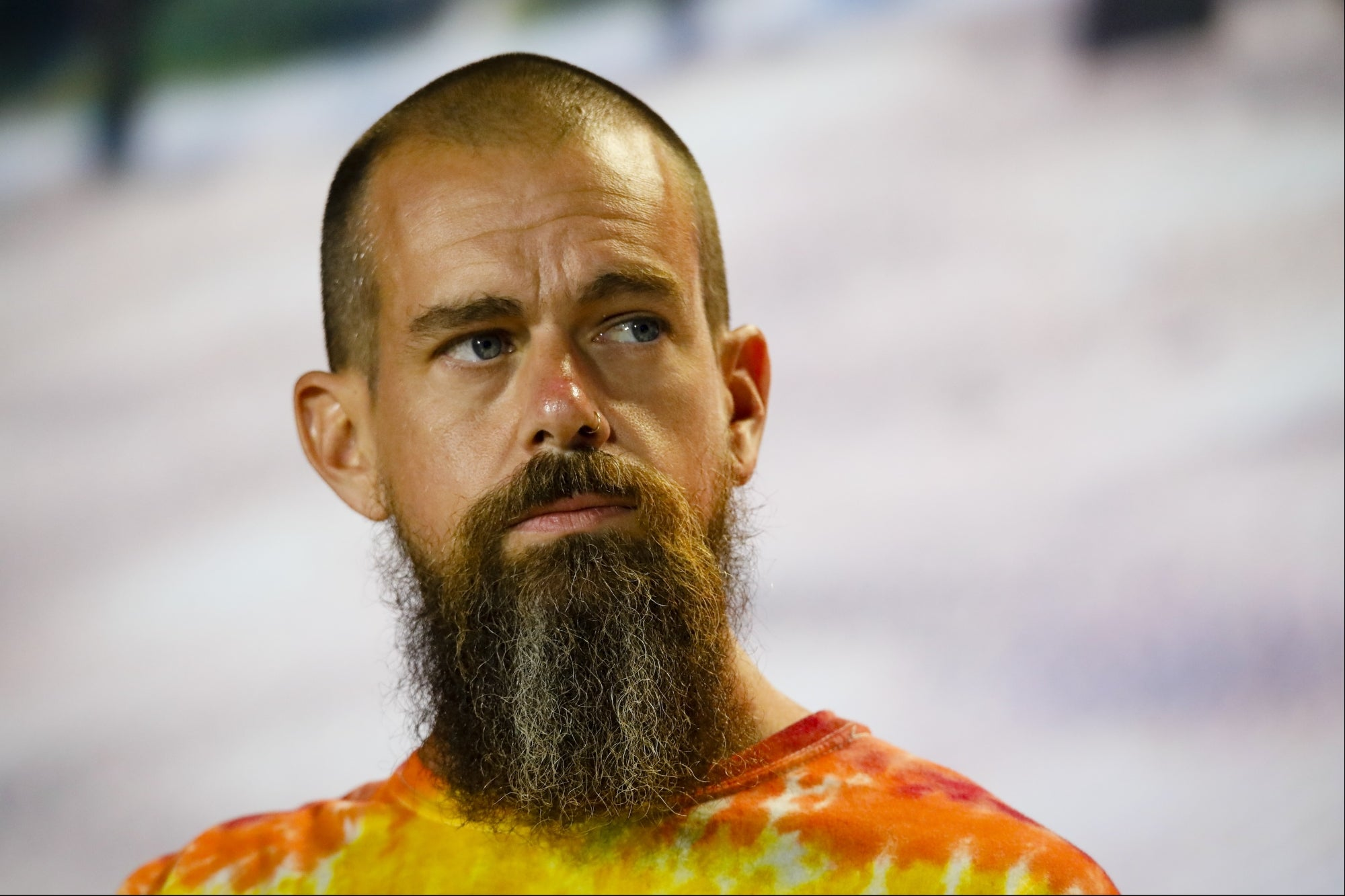
The rise of artificial intelligence (AI) has sparked significant discussions about intellectual property (IP) laws. Jack Dorsey, co-founder of Twitter, recently called for the abolition of IP laws, claiming they hinder creativity. Elon Musk supported Dorsey’s view, stirring controversy among legal experts and creators. Nicole Shanahan, a lawyer and former vice-presidential candidate, argued that IP laws protect human creativity from being overshadowed by AI-generated works. This clash highlights the tension between innovation and legal protections in a rapidly evolving technological landscape.
Key Points to Note
- Dorsey and Musk advocate for the removal of IP law, viewing it as a barrier to creativity.
- Shanahan defends IP law as essential for distinguishing human creations from those produced by AI.
- Numerous lawsuits have emerged against AI companies for allegedly using copyrighted material without permission for training purposes.
- The first U.S. ruling on AI copyright confirmed that fair use does not apply to AI training in commercial contexts.
The Bigger Picture
This debate is crucial as it addresses the future of creativity in an AI-driven world. If IP laws are weakened or eliminated, it could lead to a flood of unregulated AI content, undermining the rights of original creators. Conversely, maintaining robust IP protections may encourage innovation while ensuring that human artists and authors receive recognition and compensation. The ongoing legal battles will shape how society navigates the intersection of technology and creativity, impacting industries from art to journalism.