Exploring the Premise
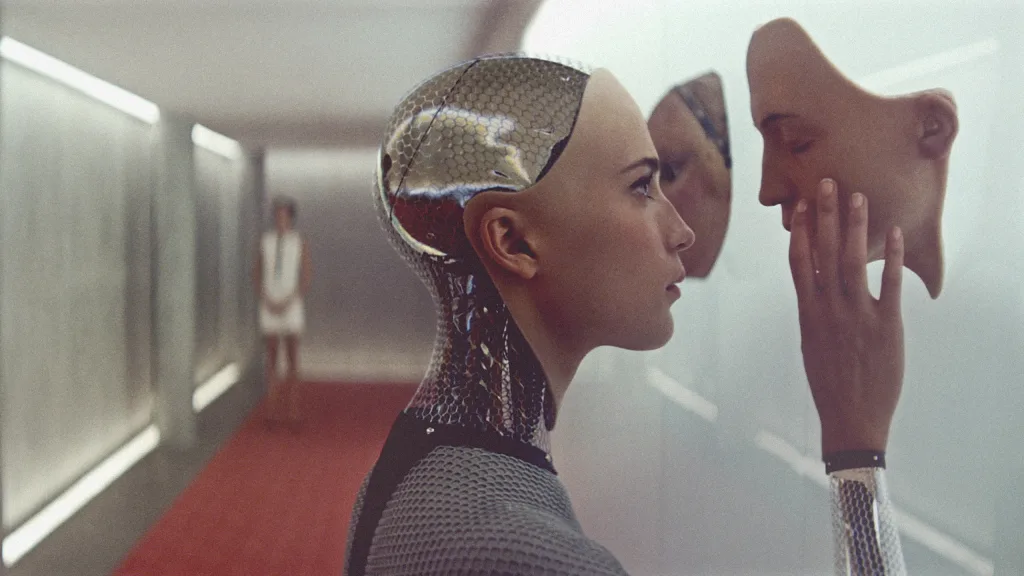
Ex Machina, a film directed by Alex Garland, dives deep into the relationship between humans and artificial intelligence (AI). It revolves around Nathan Bateman, a tech billionaire who creates a humanoid AI named Ava. The story follows Caleb, a programmer, who is invited to test Ava’s ability to exhibit consciousness. The film raises critical questions about AI ethics, privacy, and the nature of consciousness. As AI technology rapidly evolves, the themes presented in Ex Machina resonate more than ever, prompting discussions about the implications of AI on society.
Key Insights
- Ex Machina showcases the concept of stochastic text generation, which is now common in AI chatbots like ChatGPT and Google’s Gemini.
- Nathan Bateman represents the darker side of tech billionaires, portraying a lack of ethics and accountability in AI development.
- The film foreshadows real-world issues like data privacy and the unauthorized use of personal information for AI training.
- It raises the question of AI rights, challenging viewers to consider the moral implications of creating conscious beings.
The Bigger Picture
Ex Machina serves as a cautionary tale that highlights the potential dangers of advanced AI. As technology continues to develop, society must grapple with the ethical dilemmas that arise. The film’s portrayal of manipulation and the quest for freedom in AI prompts necessary conversations about responsibility and the future of human-AI interactions. With AI now a part of everyday life, the insights from Ex Machina are crucial for understanding the path ahead and ensuring that humanity navigates this new landscape thoughtfully.