
Understanding the New Regulations
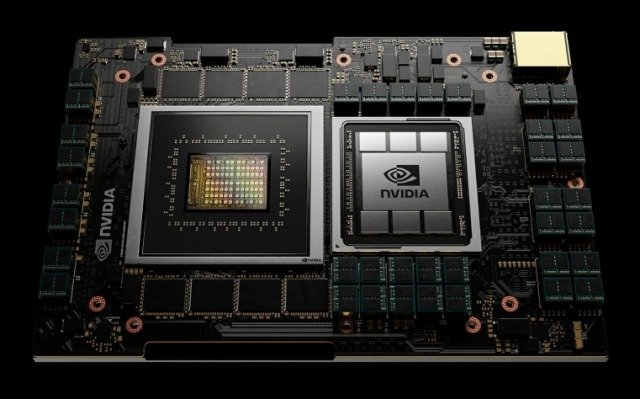
The U.S. Commerce Department has introduced new licensing rules for exporting advanced AI chips, notably Nvidia’s H20 and AMD’s MI308. This move aims to protect national and economic security, particularly against potential military uses in China. The immediate impact was felt in the stock market, with Nvidia and AMD shares dropping significantly in after-hours trading.
Key Details
- Nvidia faces a $5.5 billion charge due to these new restrictions impacting its H20 chip exports to China.
- The H20 chip is crucial for Nvidia’s AI business in China, as it supports growing demand from major tech firms like Tencent and Alibaba.
- The U.S. government is worried that the H20’s connectivity features could help China develop supercomputers, despite its lower computational power.
- Licenses for exporting the H20 chip may not be approved, leaving Nvidia uncertain about future sales in China.
Significance of the Situation
These licensing requirements highlight the U.S. government’s increasing scrutiny over technology exports, particularly in the AI sector. This could reshape the competitive landscape for AI chip manufacturers and impact global supply chains. Despite these challenges, Nvidia is pushing forward with plans to invest in AI infrastructure in the U.S., indicating a commitment to domestic growth and innovation. The situation reflects broader tensions between the U.S. and China, especially in technology and security domains.





