
Overview of AI Scribes in Healthcare
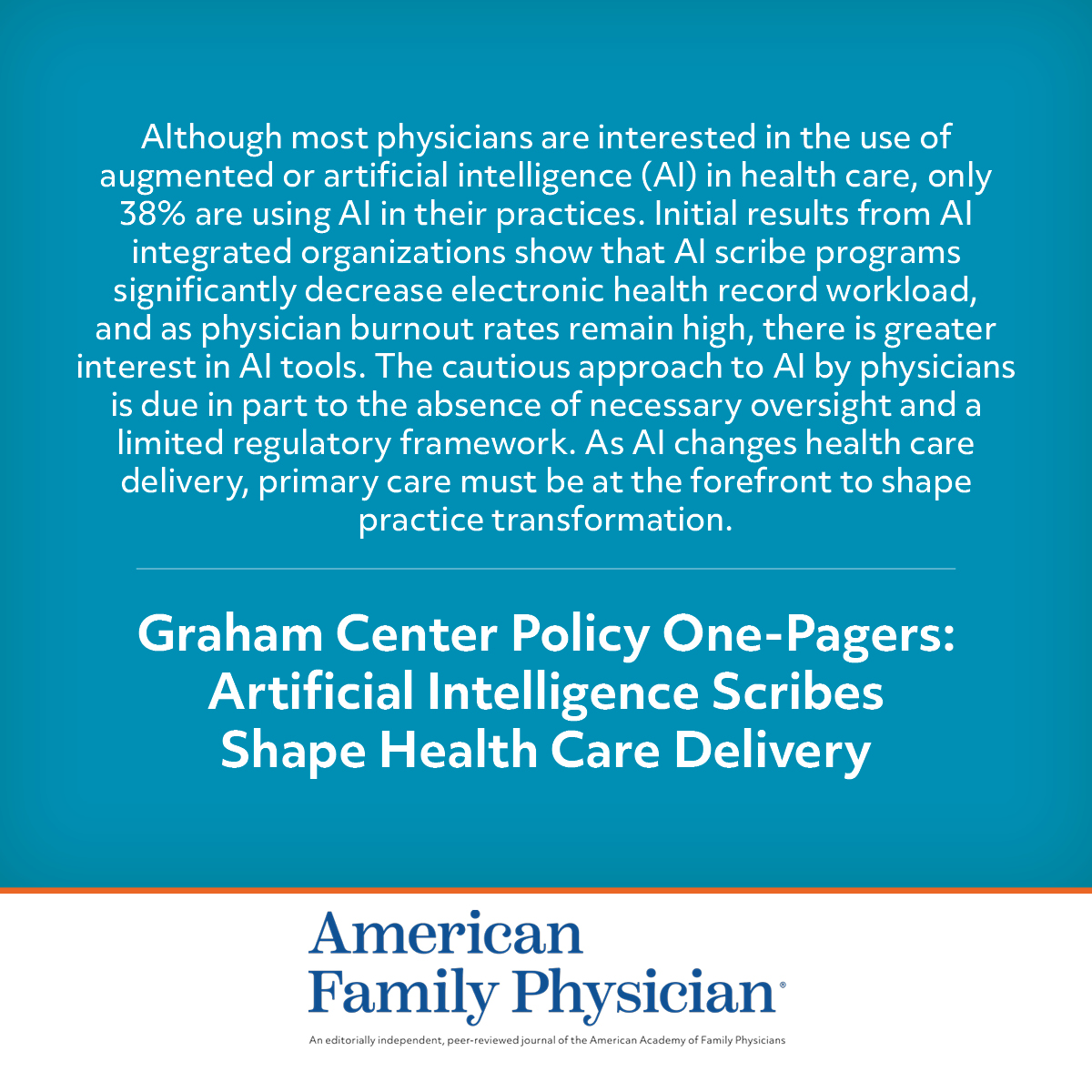
AI scribe services are emerging as a solution to reduce the administrative workload in healthcare. These tools aim to automate clinical documentation, allowing healthcare providers to focus more on patient care. However, the technology also comes with challenges, including concerns about accuracy, bias, and the need for regulatory oversight. The landscape of AI scribing is evolving, with various companies offering different functionalities, but the effectiveness and reliability of these tools are still under scrutiny.
Key Insights
- AI scribe services promise improved efficiency in clinical documentation, with features like note generation and diagnosis coding.
- Despite claims of high accuracy, user experiences often reveal discrepancies, raising concerns about the reliability of AI-generated notes.
- The lack of comprehensive studies comparing different AI scribe products makes it difficult to assess their effectiveness.
- Ethical issues, including bias in AI algorithms and potential data breaches, highlight the need for strict governance to ensure patient safety.
Significance of AI in Healthcare
The integration of AI in healthcare has the potential to transform patient care by alleviating the burden of documentation. However, the current hesitance among clinicians to adopt these tools stems from concerns about oversight and the accuracy of AI outputs. As healthcare continues to evolve, it is crucial to develop robust regulatory frameworks that address these challenges. By doing so, the healthcare industry can harness the benefits of AI while minimizing risks, ultimately improving patient outcomes and clinician satisfaction.





