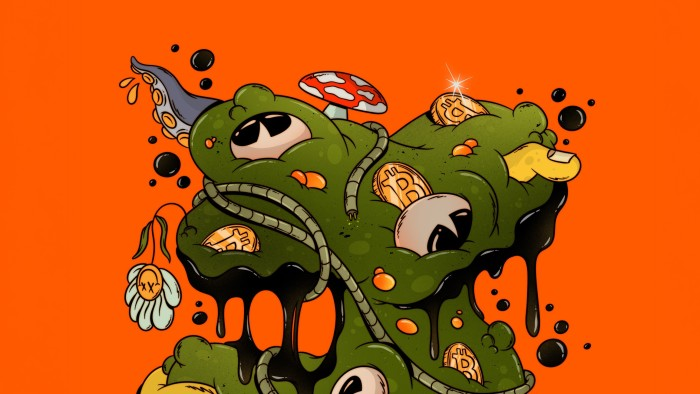
The current state of the internet reflects a troubling evolution, where bizarre content proliferates amidst a backdrop of chaotic ads, misinformation, and the influence of artificial intelligence. This situation is illustrated by the story of a delusional woman in Michigan, whose erratic online behavior highlights the pervasive nature of strange digital content. This content, often delivered through chumboxes—grids of sensational ads—has come to dominate online spaces, leading to a decline in meaningful discourse and a rise in incoherence.
- Chumboxes, once considered a mere design flaw, have morphed into a business model that prioritizes clicks over quality content, resulting in a polluted public square.
- The rise of AI-generated content has flooded the internet with low-quality material, contributing to a phenomenon known as “enshittification,” where platforms exploit users for profit before their experiences degrade.
- The concept of a “dead internet” suggests that much of online activity is automated, with bots interacting with each other rather than with real people, further complicating genuine communication.
- The chaotic nature of the current internet landscape breeds mistrust and frustration among users, as navigating through distractions and misinformation becomes increasingly difficult.
Understanding these trends is crucial for recognizing the broader implications for society. The internet, once a tool for connection and communication, is now a hostile environment that often undermines human flourishing. As users grapple with the overwhelming noise and chaos, the potential for meaningful interactions diminishes, leading to a digital world marked by confusion and alienation. Addressing these challenges is essential for reclaiming the internet as a space for authentic and constructive dialogue.