Understanding the Quest for Voice Restoration
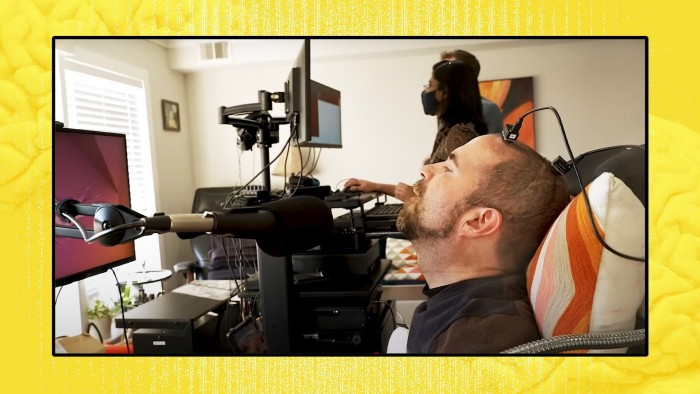
Neuroscientists are making significant progress in developing technology that may allow individuals who cannot speak to communicate through thought. Researchers from various institutions in California, along with companies like Precision Neuroscience, are focusing on using brain implants and artificial intelligence to convert brain signals into natural speech. This innovative approach aims to help people with speech loss due to conditions such as stroke, ALS, and cerebral palsy regain their ability to communicate.
Key Developments in Brain-to-Speech Technology
- A recent study demonstrated a method that reduced the time lag between brain signals and speech output from eight seconds to just one second.
- The system achieved a median decoding speed of 47.5 words per minute, which is about one-third of normal conversation pace.
- Precision Neuroscience is collecting high-resolution neural data from patients to enhance the technology’s effectiveness.
- Challenges remain, such as the time required for patients to learn the system and variations in brain response patterns among individuals.
The Bigger Picture: Implications for Communication
The potential impact of voice neuroprosthesis is vast, with thousands of people each year facing speech loss who could benefit from this technology. As research advances, it could lead to a more inclusive society where individuals with speech impairments can express themselves more freely. The ongoing work in this field highlights the importance of understanding brain functions better and developing more sophisticated algorithms to create a voice that truly reflects human expression, including tone and pitch.