
Understanding the Shift in AI Energy Consumption
DeepSeek, a rising star in artificial intelligence, is demonstrating that processing large amounts of data can be done with less energy. This is particularly relevant as the demand for data centers grows. According to the International Energy Agency, data centers accounted for about 1.5% of energy use last year but could see this figure double by 2030. The increased energy demand raises concerns about sustainability and resource allocation, especially with major companies like Amazon and Google investing in cleaner energy solutions.
Key Insights on Energy Efficiency
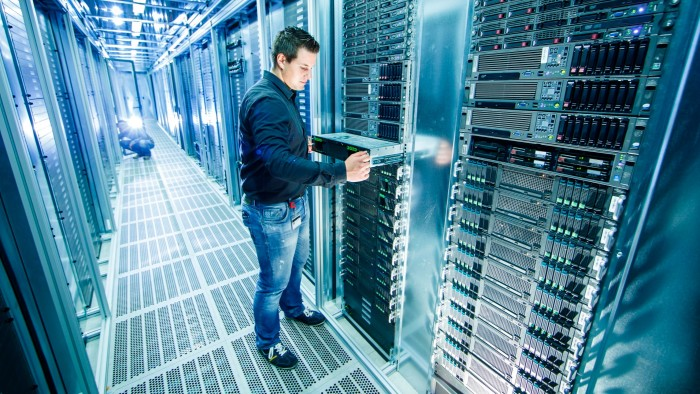
- Data centers are critical for AI and data storage but consume vast amounts of energy, with a significant portion used for cooling.
- Companies are exploring new cooling technologies, such as liquid cooling, to reduce energy and water usage.
- Optimized programming and advanced chips, like Nvidia’s B200, are making computing more efficient, cutting down on energy costs.
- The shift from fossil fuels to renewable energy sources is gaining traction, with investments in nuclear power and other clean technologies.
The Bigger Picture on Energy Use
The push for energy efficiency in data centers is not just about costs; it’s about sustainability. As AI technologies evolve, the need for efficient energy use becomes critical. Reducing energy consumption can lead to lower operational costs and a smaller environmental footprint. This shift may pave the way for more responsible AI development, ensuring that progress does not come at the expense of our planet’s resources. The efforts today could shape the future of AI, making it more sustainable and accessible for everyone.





