
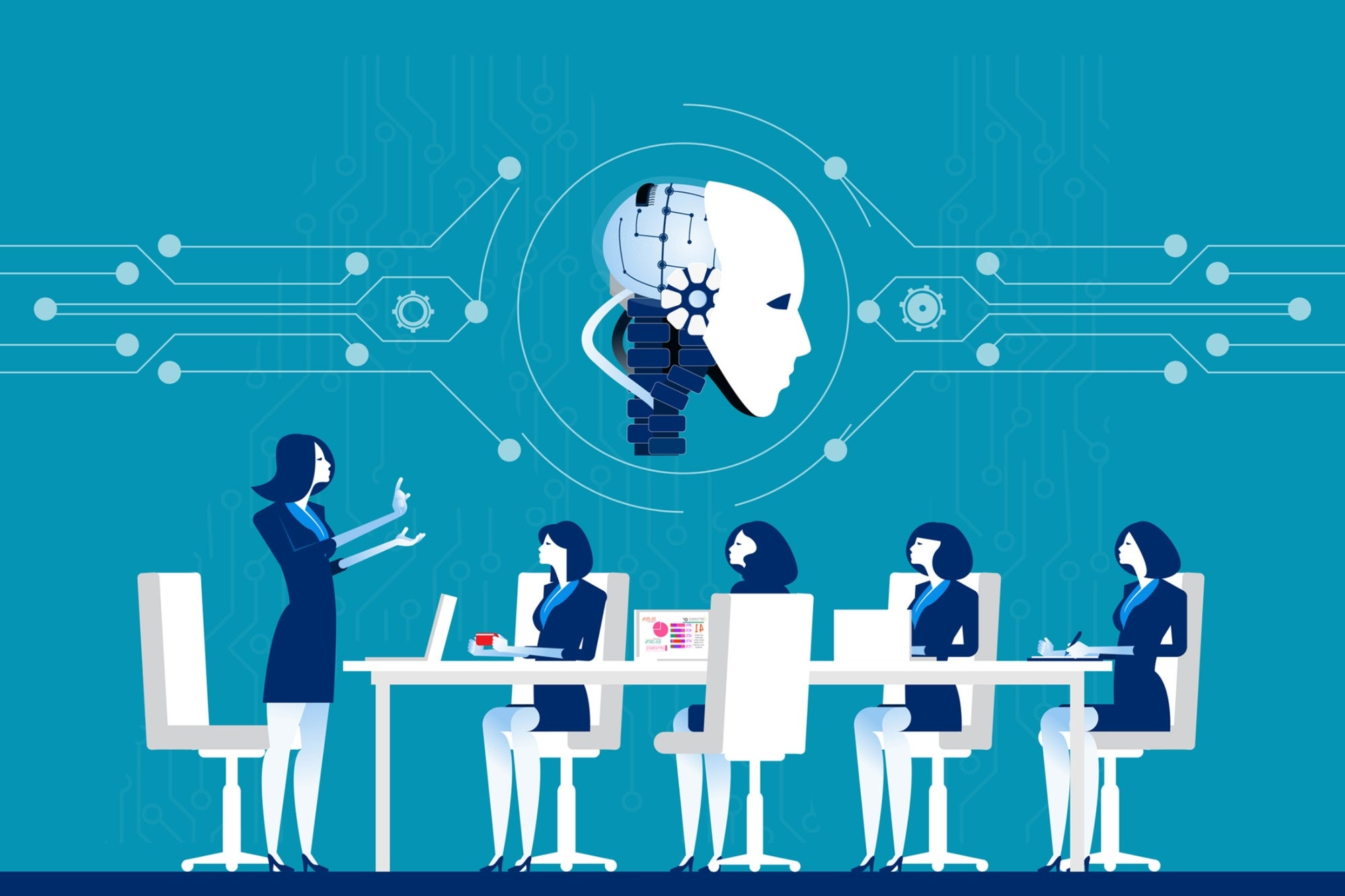
Understanding AI Agents in Training
The rise of AI-powered agentic technology is changing how organizations approach employee training. These advanced systems go beyond simple chatbots, acting as personalized learning assistants that optimize training experiences. They can suggest tailored content, automate processes like skill mapping, and gather feedback to improve programs continuously. The goal is to create more engaging and effective training that benefits both employees and employers. However, integrating this technology requires careful consideration of employee trust and comfort levels, as perceptions of AI can vary greatly among different demographics.
Key Insights
- Initiate pilot programs to test AI agents with diverse employee groups.
- Promote transparency about AI’s role and establish ethical guidelines.
- Provide training to help employees feel comfortable using AI tools.
- Monitor AI performance and adjust training programs based on feedback.
- Design inclusive training that meets the needs of all employees.
- Leverage AI for external training applications, benefiting partners and customers.
- Balance AI use with human interaction to maintain a supportive learning environment.
The Importance of Trust and Engagement
Building trust in AI agents is crucial for successful implementation. When employees feel confident that AI training genuinely supports their development, engagement and job satisfaction increase, leading to lower turnover rates. As AI technology continues to evolve, organizations must prioritize effective communication and support to foster a culture of continuous learning. By thoughtfully integrating AI agents into training programs, companies can unlock their full potential, resulting in a more skilled and satisfied workforce.





