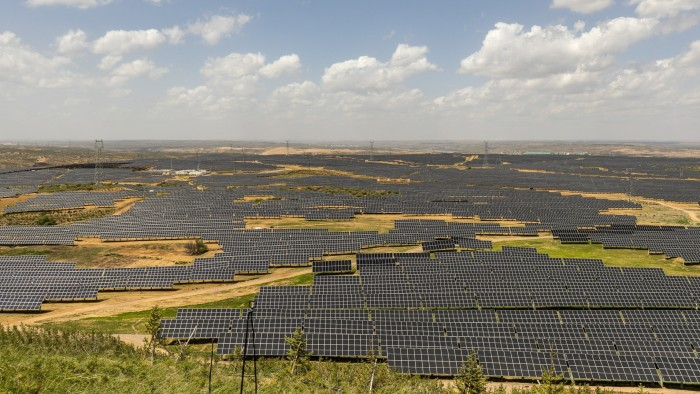
The urgency of aligning energy policy with technological advancement is critical for the US as it faces stiff competition from China in the artificial intelligence (AI) sector. With a national energy strategy lacking, the US risks falling behind despite currently leading in AI development. The energy landscape has shifted dramatically due to geopolitical events, particularly Russia’s invasion of Ukraine, which has heightened the importance of energy security. As nations seek to reduce reliance on fossil fuels, they are increasingly turning to renewable sources like solar and wind.
Key points to consider include:
- China is heavily investing in AI infrastructure and energy, aiming to dominate future technologies.
- The US electricity demand is growing rapidly, with data centers consuming power equivalent to mid-sized cities.
- A national energy strategy in the US must focus on speed, flexibility, and cost-effectiveness to meet rising electricity needs.
- Hybrid energy models that combine solar, battery storage, and gas backup are emerging as viable solutions.
Understanding the significance of developing a robust energy strategy is crucial for the US. Meeting the energy demands of the AI era will not only ensure national competitiveness but also enhance energy security. By leveraging its natural gas resources while investing in renewables, the US can maintain its lead in AI technology. The future of innovation hinges on the ability to adapt and evolve energy strategies to support this growth.