
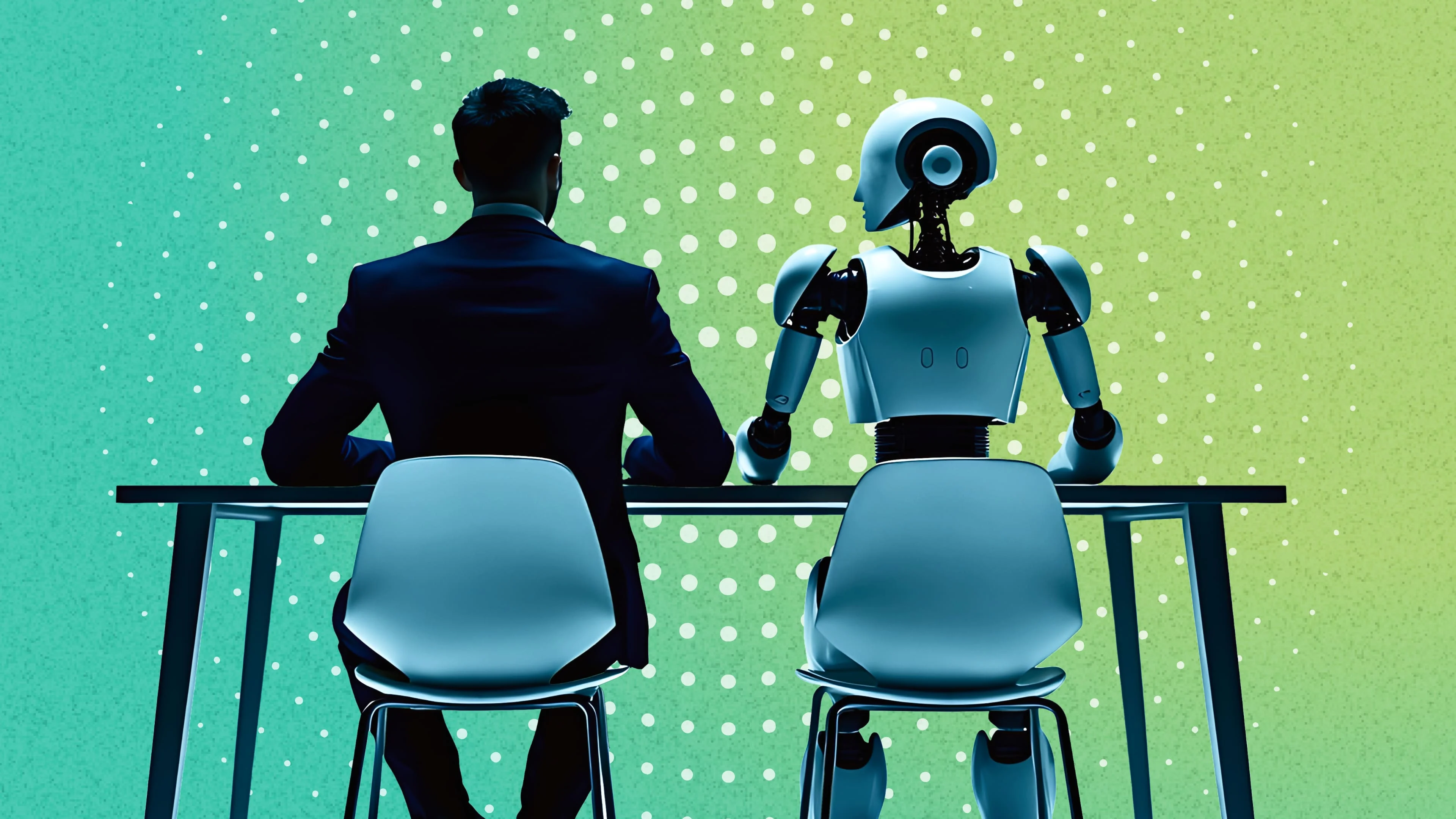
Understanding the AI Management Challenge
AI is transforming business operations, moving from backend automation to active roles in customer service, recruitment, and decision-making. Organizations face a critical question: who should oversee AI—IT or HR? Both departments have unique strengths that can help manage AI effectively. IT focuses on the technical aspects, ensuring systems are secure and compliant, while HR emphasizes the human side, addressing workplace culture and employee interactions with AI.
Key Points to Consider
- IT’s Role: Responsible for maintaining AI reliability, managing security risks, and ensuring regulatory compliance. IT’s expertise is crucial in monitoring AI performance and safeguarding sensitive data.
- HR’s Role: Focuses on preventing bias in AI-driven hiring and evaluations, facilitating human-AI collaboration, and assessing AI’s impact on company culture. HR ensures that AI tools support rather than undermine employee morale.
- Collaboration is Key: Effective AI management requires a shared responsibility between IT and HR. Organizations are forming AI governance committees to set ethical guidelines and audit AI decisions regularly.
- Emerging Leadership Roles: As AI becomes integral to the workforce, new positions like Chief AI Ethics Officer and AI Workforce Manager are likely to emerge, bridging the gap between technical oversight and human impact.
The Importance of Effective AI Oversight
Establishing a clear structure for AI governance is essential for organizations aiming to harness AI’s benefits while minimizing risks. Companies that proactively define AI management responsibilities are likely to lead in innovation and ethical practices. The future of work will depend on how well businesses can balance technical performance with the human experience, ensuring AI serves as a positive force in the workplace.





