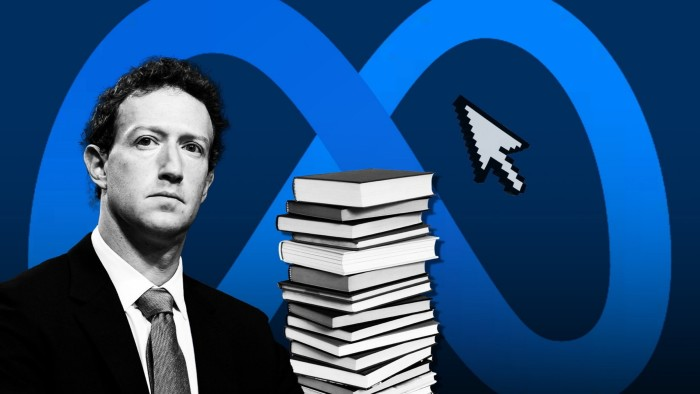
The ongoing legal dispute between Meta and a group of authors raises critical questions about copyright laws in the context of artificial intelligence. This case marks a significant moment as it tests whether tech companies can legally use copyrighted works to train their AI models. The authors, including notable figures like Ta-Nehisi Coates, claim that Meta used materials from LibGen, a shadow library, without proper licensing. This situation highlights the tension between the interests of content creators and the tech industry.
- The lawsuit involves Meta’s use of copyrighted works from LibGen to train its Llama AI models, which has drawn criticism from authors who argue they deserve compensation.
- Meta maintains that its actions fall under “fair use,” suggesting that using these materials for AI development is transformative, regardless of their source.
- Emails revealed during court proceedings show Meta employees discussing the legal risks of using LibGen, indicating awareness of potential copyright violations.
- The case could set a precedent affecting not only Meta but also other tech companies like Microsoft and OpenAI, which face similar lawsuits regarding AI training data.
Understanding this case is crucial as it could shape the future of copyright laws in the digital age. The outcome may influence how tech companies approach content usage and licensing, ultimately affecting creators’ rights and compensation. As AI continues to evolve, finding a balance between innovation and protecting intellectual property becomes increasingly important. This case may pave the way for clearer guidelines in the relationship between technology and copyright.