Overview of the Initiative
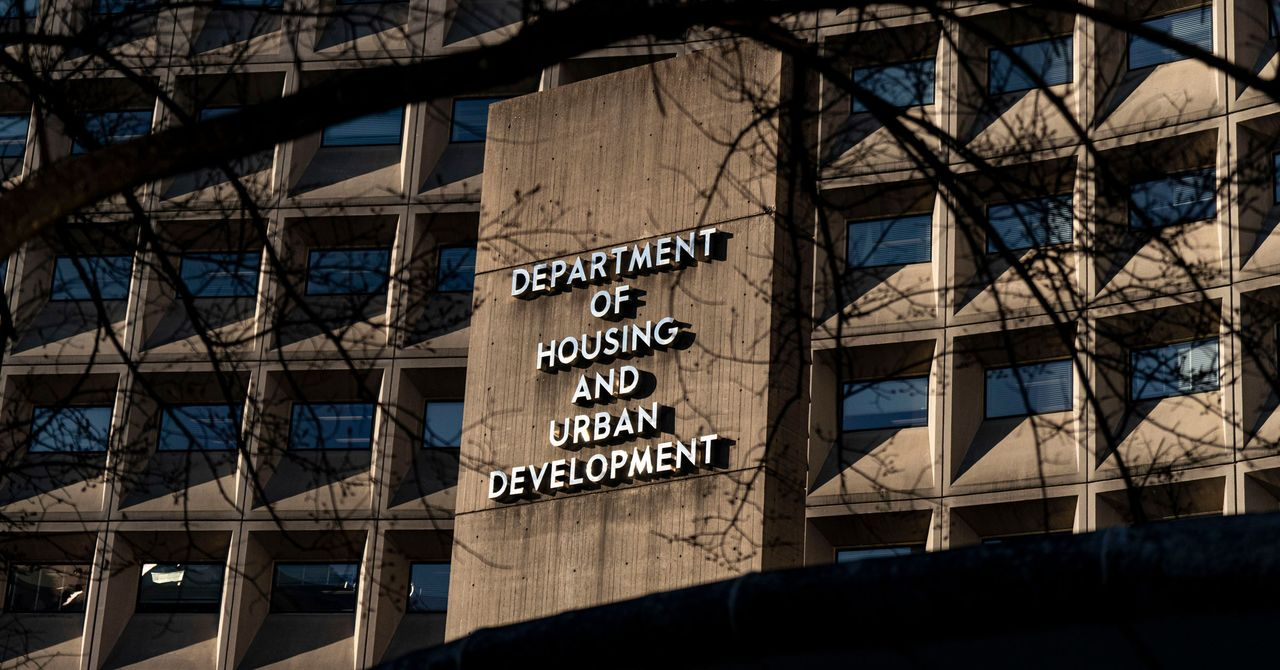
A young man, Christopher Sweet, with no prior government experience and still pursuing his undergraduate degree, has joined the Department of Housing and Urban Development (HUD). He is part of the newly formed Department of Government Efficiency (DOGE) and is tasked with using artificial intelligence to analyze and potentially revise HUD’s rules and regulations. This initiative aims to streamline and deregulate government policies, aligning with a broader agenda outlined in the Project 2025 policy document from the previous administration.
Key Details of the Project
- Sweet’s role involves leading a project that utilizes AI to review HUD regulations and identify areas for deregulation.
- He has access to critical housing data and is expected to produce suggestions for policy changes based on AI analysis.
- The project focuses on the Office of Public and Indian Housing, where staff are asked to evaluate AI-generated recommendations.
- The AI model is designed to refine its capabilities through ongoing work, potentially extending its application across the federal government.
Significance of the Effort
This initiative is significant as it represents a shift towards integrating technology in government operations, particularly in regulatory processes. By involving AI in policy revision, the administration aims to reduce bureaucratic hurdles and enhance efficiency. However, it raises questions about the reliability of AI in making regulatory decisions and the implications for public policy. The project could set a precedent for future government practices, influencing how regulations are developed and maintained in the digital age.