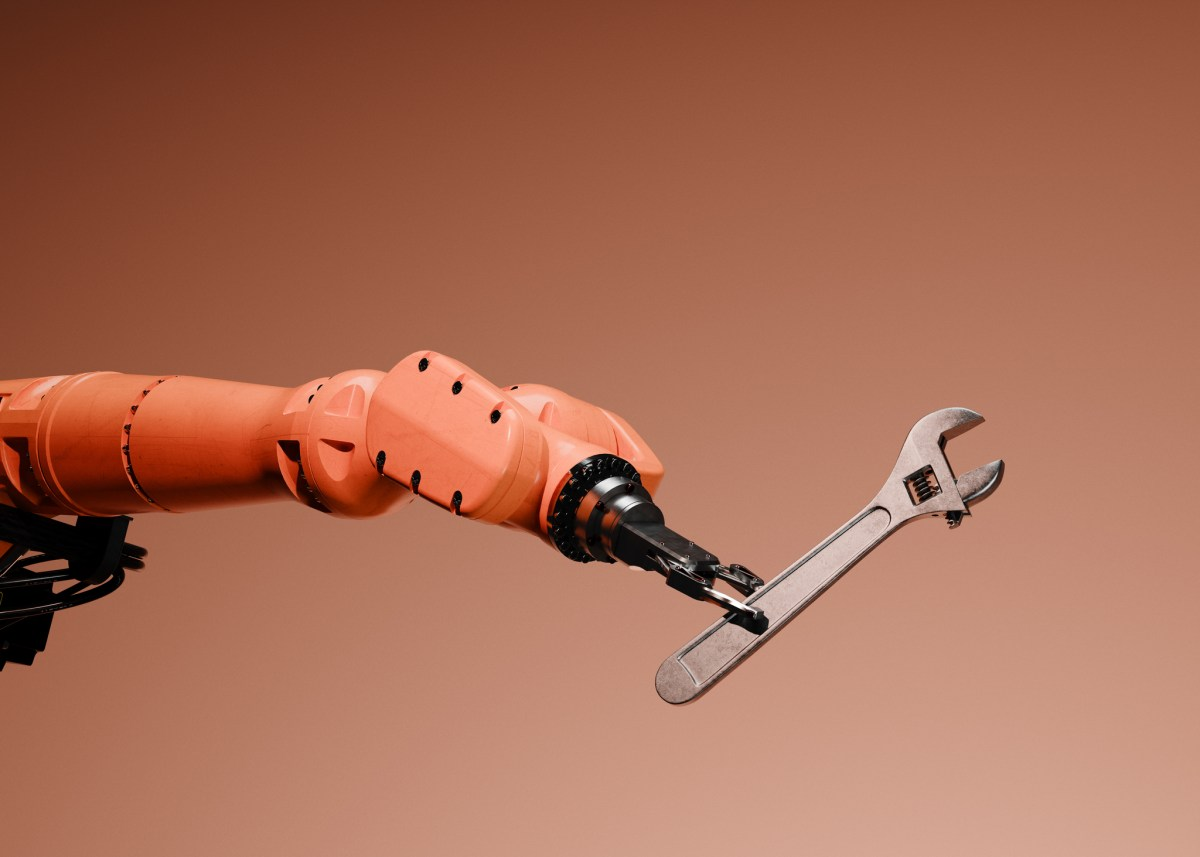
Overview of Humanoid Robotics in Industry
Boston Dynamics is gearing up to launch its all-electric humanoid robot, Atlas, in a Hyundai factory later this year. This marks a significant step as Atlas will be the first humanoid robot used in commercial manufacturing. Evolved from a hydraulic model, Atlas debuted publicly last spring. While other Boston Dynamics robots like Spot and Stretch are already operational in various industries, Atlas aims to take on tasks that are challenging for human workers, such as lifting heavy or awkward objects.
Key Highlights
- Atlas is designed to be stronger and more dependable than human workers.
- The robot is part of a growing trend where humanoid robots are entering commercial spaces, with others like Agility Robotics’ Digit already in use.
- A report predicts the humanoid robot market will reach $38 billion by 2035, indicating a surge in interest and investment.
- Unlike traditional automation that focuses on specific tasks, humanoid robots can perform multiple functions, making them versatile in manufacturing settings.
Significance of Humanoid Robots
The introduction of Atlas represents a shift in how automation is perceived in manufacturing. Rather than replacing human workers, these robots are designed to complement existing processes. They can adapt to various tasks, potentially increasing efficiency in factories that do not operate around the clock. However, challenges remain, such as ensuring reliable autonomous function, as seen with Tesla’s Optimus. The success of Atlas and similar robots could redefine the landscape of industrial automation, paving the way for more flexible and intelligent manufacturing solutions.