Overview of the Legal Dispute
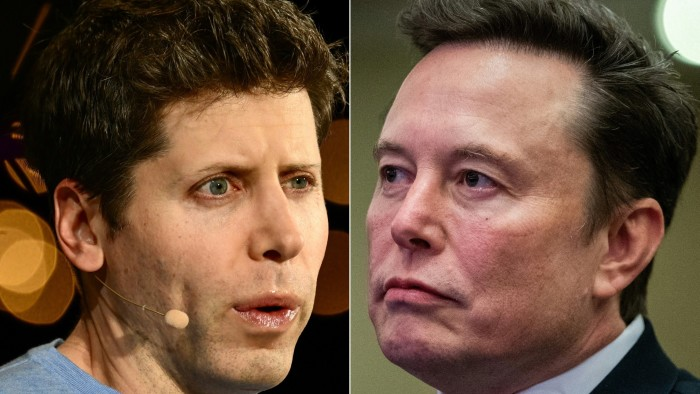
Elon Musk’s lawsuit against OpenAI and its CEO Sam Altman is moving closer to trial after a California judge dismissed some claims but allowed key allegations to proceed. Musk, a co-founder of OpenAI, argues that the organization’s shift from a non-profit to a for-profit model violates their original agreement. This legal clash highlights the competition between Musk and Altman in the rapidly evolving field of artificial intelligence.
Key Developments in the Case
- A California judge has ruled that Musk’s claims have enough merit to go to trial, currently set for March 2026.
- Musk alleges OpenAI engaged in fraud by promising to maintain its non-profit status to secure his financial contributions.
- The judge confirmed that although there is no explicit contract, there may be an implied agreement between Musk and OpenAI.
- OpenAI’s attempt to dismiss Musk’s claims was partially rejected, allowing significant parts of the lawsuit to move forward.
Significance of the Case
This legal battle is crucial as it raises questions about the ethical direction of AI development. Many experts worry that OpenAI’s shift to a profit-driven model could prioritize financial gain over societal benefit. Musk’s actions could impact not just OpenAI’s future but also the broader landscape of artificial intelligence. As the case unfolds, it may set important precedents regarding the responsibilities of tech companies and their founders.