
The Fusion of Technology and Creativity
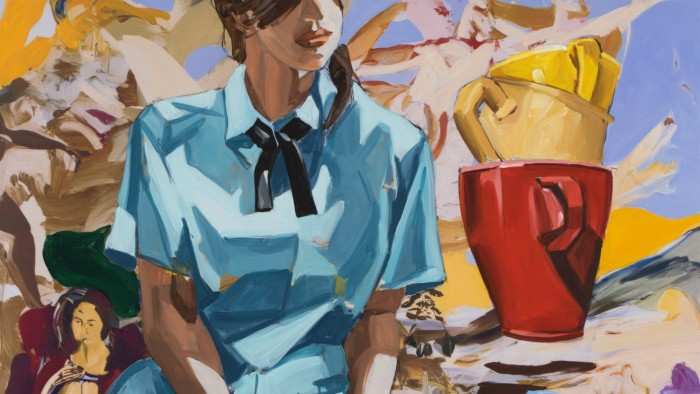
A painter’s quest for a new artistic medium has led to an exploration of artificial intelligence. The goal is to create a dynamic pictorial space that blends abstraction with figuration. The journey began with skepticism about AI’s ability to produce meaningful art, stemming from its lack of depth and intentionality. After realizing that AI lacks the fundamentals of representational painting, a plan was formed to teach a computer to think like an artist.
Key Insights and Developments
- The AI was initially trained on works by renowned artists, yet struggled with crucial elements like edge treatment.
- A shift in teaching methods involved using the painter’s own works, focusing on compositions that emphasized color and form.
- A new software, “Wand,” allowed for a more intuitive interaction with the AI, leading to unexpected and innovative results.
- The final images generated by the AI served as a foundation for new paintings, merging traditional techniques with digital influences.
The Bigger Picture of AI in Art
The integration of AI in the art world is not about replacing the artist but enhancing their creative process. It challenges the boundaries of what art can be and opens new avenues for expression. While AI remains a tool, its ability to remix and recombine artistic elements reflects contemporary themes of innovation and emotional depth. This collaboration signifies a new chapter in art history, where human creativity and technology coexist, pushing the limits of imagination.





