Understanding the Breakthrough
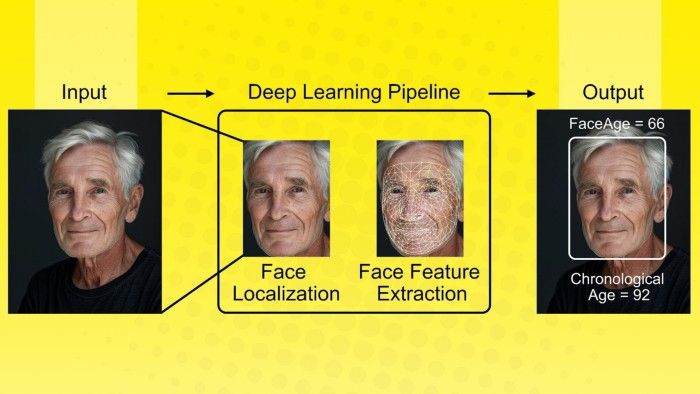
Recent research highlights a significant advancement in cancer patient care using artificial intelligence. Scientists developed a tool called FaceAge, which analyzes facial features to predict survival outcomes for cancer patients. This AI-driven approach can sometimes outperform traditional clinical predictions regarding life expectancy. The study shows that the biological age inferred from a patient’s appearance may provide valuable insights into their health and treatment prospects.
Key Findings
- FaceAge was trained on over 58,000 images of healthy individuals and tested on nearly 6,200 cancer patients.
- The algorithm revealed that cancer patients often appeared biologically older than their actual age, impacting their survival rates.
- Clinicians’ predictions of patient survival improved significantly when they used FaceAge data, increasing accuracy from 61% to 80%.
- The research is ongoing, with plans to expand testing and explore FaceAge’s ability to predict other health outcomes.
Significance of the Research
This innovative use of AI in medicine could revolutionize how healthcare professionals assess and treat cancer patients. By understanding the link between perceived age and health outcomes, clinicians can make more informed decisions. The potential to predict disease risks and tailor treatment plans based on facial analysis represents a promising frontier in personalized medicine. As research continues, FaceAge could lead to earlier interventions and improved patient care, ultimately enhancing survival rates and quality of life for those affected by cancer.