Understanding the Cognitive Migration
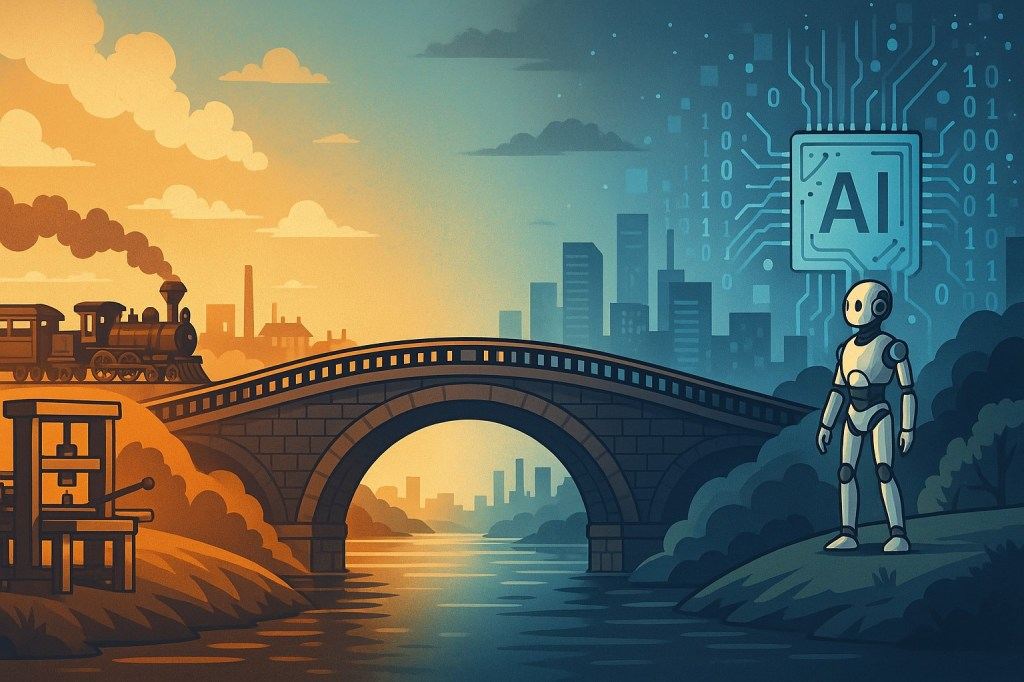
Humans have continuously adapted to new ways of working and thinking throughout history. With the rise of artificial intelligence (AI), we are now facing a cognitive migration that shifts our focus from tasks that machines can perform to areas where human qualities like creativity and ethical judgment are essential. This change is not just about job displacement; it challenges our identity and value in the workforce.
Key Points to Consider
- The Cognitive Era, as defined by IBM, emphasizes partnership between humans and machines, moving away from traditional automation.
- Historical migrations, from agriculture to factories and then to digital workplaces, required shifts in skills and identity, with each transition marking a significant change in how we define contribution.
- The current migration is unique as it challenges our understanding of what makes us irreplaceable, calling for a focus on deeper human strengths rather than technical skills.
- The speed of change has accelerated dramatically, with AI tools evolving from concepts to workplace necessities in just a few years.
The Bigger Picture
This cognitive migration is not just about adapting to new tools but also about reassessing our humanity. As AI systems take over tasks once thought exclusive to humans, we must redefine what it means to be valuable in this new landscape. The challenge lies in embracing our uniquely human qualities—creativity, empathy, and ethical reasoning—as we navigate this rapid transformation in the workforce.