Overview of Innovation
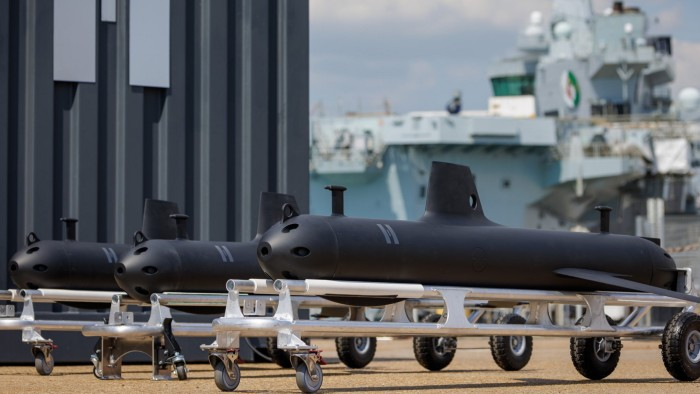
Helsing, a European defence technology start-up, has introduced an innovative fleet of unmanned mini submarines designed to enhance naval surveillance. The new autonomous glider, named SG-1 Fathom, can operate underwater for up to three months. This development comes at a crucial time when threats to ships and ocean infrastructure are increasing globally.
Key Features and Benefits
- The SG-1 Fathom is equipped with an AI system called Lura, which detects and classifies sounds from nearby vessels with impressive speed and accuracy.
- Lura can identify acoustic signatures up to 40 times faster than human operators and operates at ten times quieter volumes compared to existing AI models.
- A single operator can oversee multiple SG-1 Fathoms, managing operations at just 10% of the cost of traditional crewed anti-submarine patrols.
- The deployment of this technology is expected within the next year, addressing the growing need for advanced underwater reconnaissance.
Significance in Modern Warfare
The introduction of the SG-1 Fathom reflects a broader shift in military strategy, moving away from conventional weaponry to more advanced technological solutions. As geopolitical tensions rise, particularly with Russia’s increased activity in the North Atlantic, the need for enhanced underwater capabilities becomes critical. The UK Royal Navy is also adapting its strategies, planning to integrate both crewed and uncrewed vehicles for anti-submarine operations. This shift highlights the importance of collaboration between the government and private tech firms like Helsing to bolster national security.