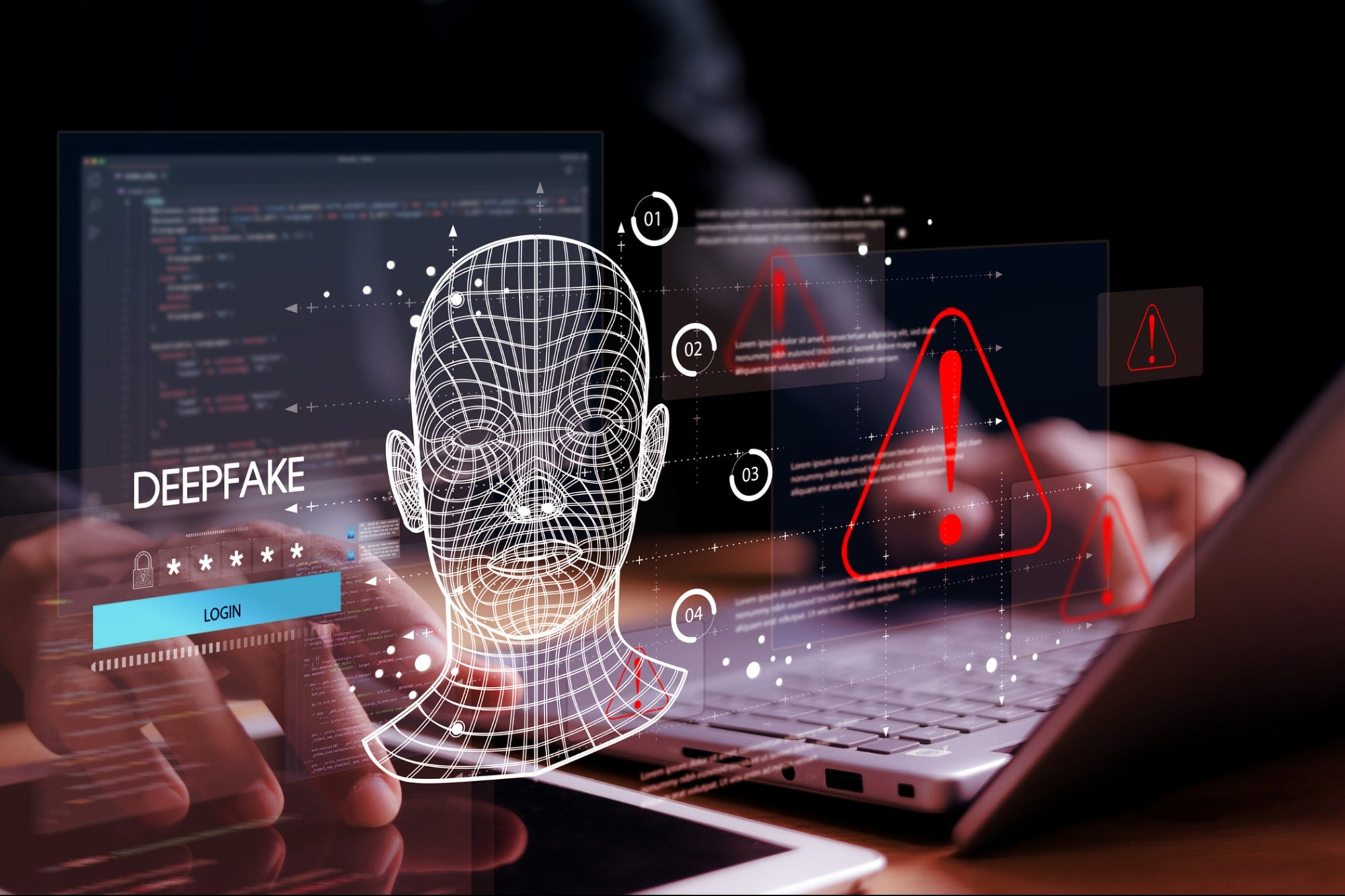
Understanding the Landscape of AI Threats
In the evolving digital world, businesses face new challenges from AI-driven fraud and misinformation. A recent incident highlighted a finance director losing $25 million to a deepfake impersonating a CFO. This type of fraud is on the rise, with global ecommerce fraud losses projected to reach $107 billion by 2029. As consumers become skeptical of online content, with 60% questioning its authenticity due to deepfakes and AI-generated misinformation, entrepreneurs must act swiftly to protect their brands. Current methods like watermarking and AI detection are insufficient, often failing to catch manipulated content effectively.
Key Strategies for Brand Protection
- Implement blockchain technology combined with AI to create digital twins or avatars that verify authenticity.
- Use NFT passports to provide tamper-proof certificates stored on the blockchain, ensuring transparency.
- Monitor for fraudulent content regularly, especially for public-facing figures who are prime targets for deepfakes.
- Stay informed about emerging regulations, like the EU AI Act, to avoid hefty fines for non-compliance.
The Importance of Authenticity in Business
Building consumer trust hinges on transparency and authenticity. As more industries adopt blockchain for secure identification, businesses can mitigate reputational damage and legal risks. The proactive approach to brand protection is not just about avoiding scams; it’s about establishing a competitive edge in a landscape where authenticity will be crucial for success. By prioritizing verification and accountability, entrepreneurs can safeguard their brands against the rising tide of AI-related threats.