
Overview of the Shift
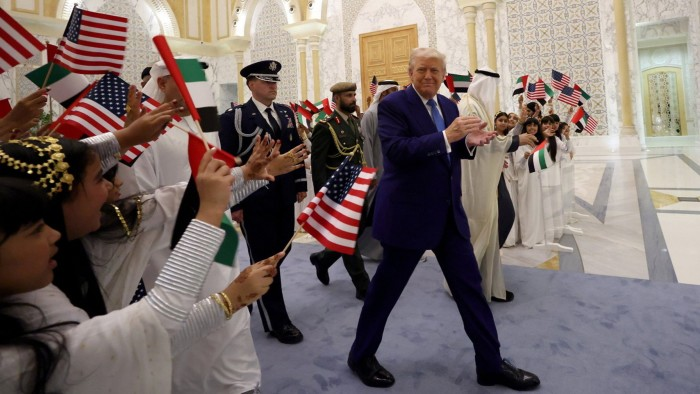
Recent developments in the Middle East highlight a significant shift in U.S. policy regarding artificial intelligence (AI) chips. During Donald Trump’s recent visit, a new agreement was reached allowing Nvidia to sell hundreds of thousands of AI chips to the UAE and Saudi Arabia. This marks a departure from previous restrictions aimed at limiting high-tech exports to these nations, which were seen as potential rivals. The U.S. government had previously expressed concerns over human rights abuses and the potential diversion of technology to China. However, the new policy reflects a focus on economic partnerships rather than strict limitations.
Key Details
- The U.S. will permit the sale of 500,000 AI chips annually to the UAE and 18,000 to Saudi Arabia.
- This shift could lead to the UAE surpassing U.S. AI capabilities by the end of the decade.
- Trump’s policy change aims to bolster American semiconductor companies and attract Middle Eastern investments.
- There are concerns about how these countries might use AI technology, especially regarding human rights and relations with China.
Implications for the Future
The implications of this new policy are significant. If the promised investments from the UAE, Qatar, and Saudi Arabia materialize, they could reshape the landscape of AI infrastructure both regionally and globally. However, the success of this strategy hinges on whether these nations prioritize investments in U.S. technology or focus on developing their own capabilities. The outcomes of this deal could influence not only the tech industry but also geopolitical dynamics in the region, as countries navigate their relationships with both the U.S. and China.





