Understanding the Challenge of Remote Work
Remote teams often face challenges such as poor communication, lack of visibility, and reduced engagement. These issues can lead to decreased productivity and team cohesion. Although in-person collaboration is ideal, it’s not always feasible. In such cases, AI technology can play a crucial role in enhancing team dynamics and bridging the gaps created by remote work.
Key Benefits of AI in Remote Work
- Improved Communication: AI tools can help eliminate misunderstandings by managing tedious tasks like scheduling and summarizing discussions, allowing team members to focus on strategic work.
- Enhanced Collaboration: AI-powered project management tools streamline workflows and improve brainstorming sessions, making remote collaboration more effective.
- Boosted Employee Engagement: AI can monitor employee stress levels and workload, prompting managers to intervene when necessary, which fosters a supportive work environment.
- Objective Performance Evaluations: AI agents provide real-time insights into productivity and engagement, leading to more transparent and fair performance assessments.
The Bigger Picture
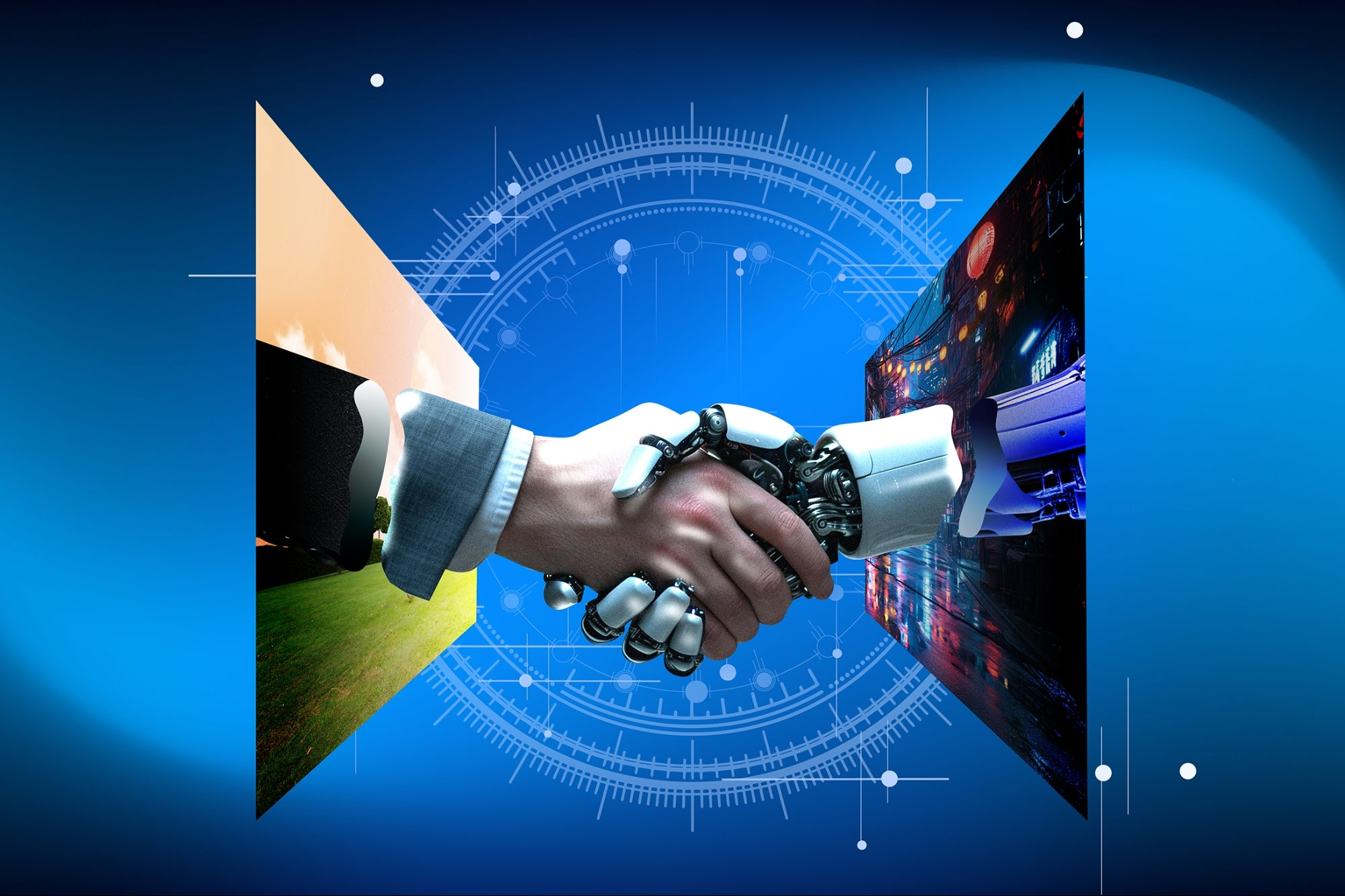
The integration of AI in remote work settings is not just about improving efficiency; it’s about enhancing human connections despite physical distances. By taking over repetitive tasks and providing valuable insights, AI allows teams to focus on collaboration and innovation. This approach not only boosts productivity but also fosters a healthier work environment, ensuring that remote teams remain engaged and connected.