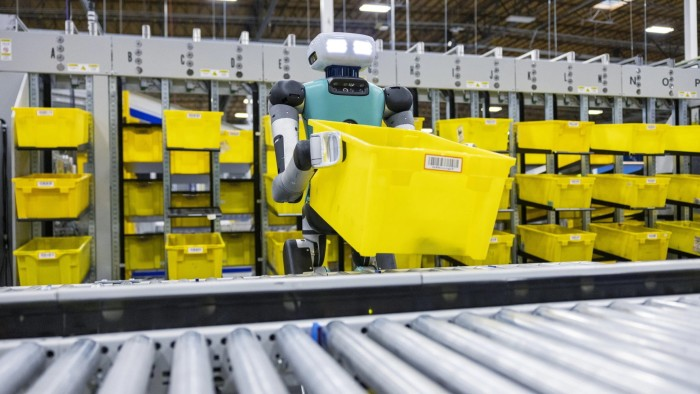
Overview of Humanoid Robotics
Humanoid robots are rapidly evolving, with companies like Agility Robotics and Tesla leading the way. These machines aim to automate tasks in various industries, especially manufacturing and logistics. A recent demonstration showcased a humanoid robot’s attempts to move a can, highlighting both its potential and current limitations. Experts predict that by 2030, one million humanoid robots could be operational, transforming how industries function.
Key Insights
- Major companies, including Amazon and BMW, are already testing humanoid robots in factories.
- Agility Robotics emphasizes that these robots can connect existing automation systems.
- Concerns about job displacement due to automation are significant, with estimates suggesting up to 800 million jobs may be affected by 2030.
- The cost of humanoid robots is decreasing, with subscription models making them more accessible for businesses.
Significance of the Shift
The rise of humanoid robots could revolutionize industries by improving efficiency and reducing labor costs. However, this shift raises critical questions about the future of work and the need for retraining displaced workers. As industries face labor shortages, humanoids may offer a solution, but their deployment must be handled carefully to ensure safety and address public concerns about job loss.