Overview of Robotics in Healthcare
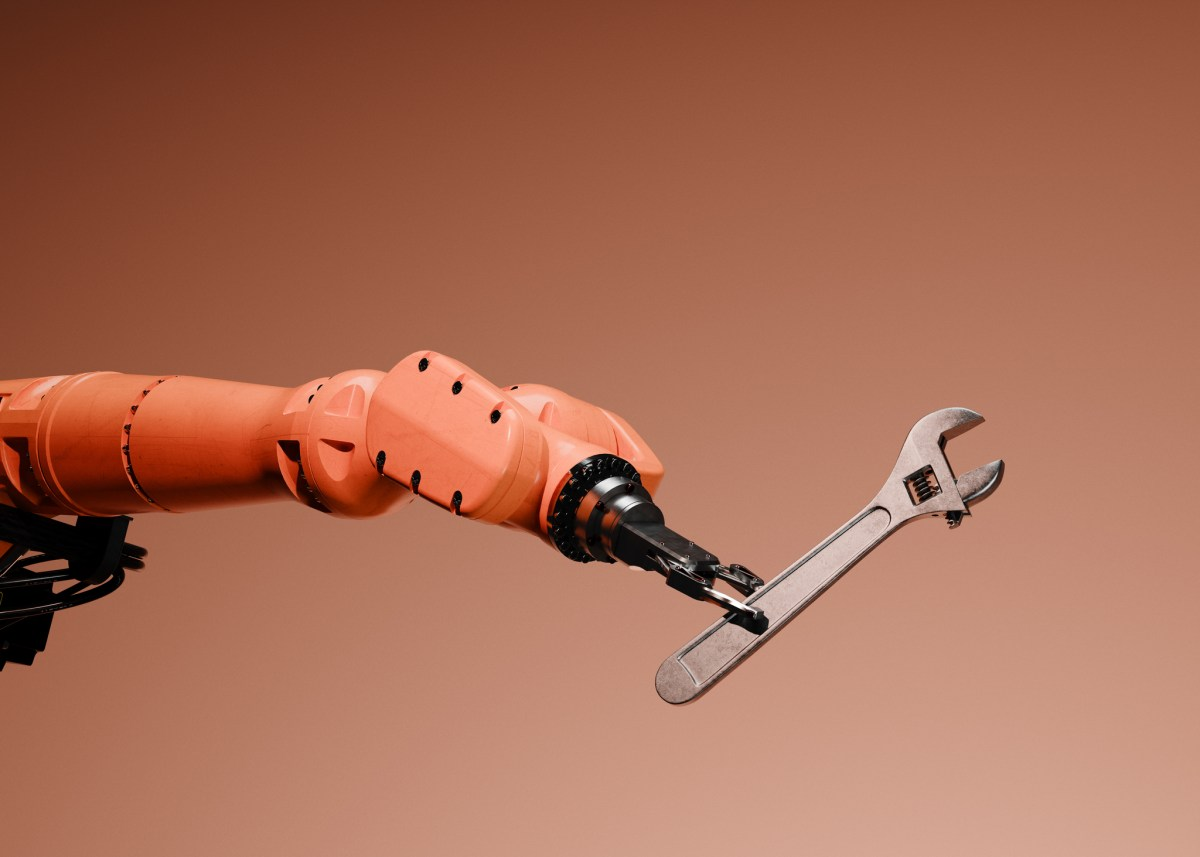
The healthcare sector in the US is facing a significant workforce crisis, worsened by the pandemic. As hospitals struggle with a shortage of staff, robots like Diligent Robotics’ Moxi are being introduced to help alleviate the pressure. Moxi is designed to automate routine tasks, allowing nurses to focus on patient care. This humanoid robot can transport supplies and medications, significantly improving efficiency in hospital settings.
Key Details
- Moxi operates in 30 hospitals, performing tasks that pull nurses away from patient care.
- The healthcare workforce is projected to face a shortage of 100,000 workers by 2028, particularly in roles like medical assistants.
- Robotics can save nurses up to 40% of their time by managing logistical tasks.
- Recent advancements in AI enable robots to navigate complex hospital environments, making them more effective in delivering supplies and cleaning.
Significance of Automation in Healthcare
The integration of robots in hospitals is crucial as populations age and the demand for healthcare services rises. While some unions have expressed concerns about AI in care planning, the acceptance of robots is growing. These innovations not only help fill the gaps in staffing but also improve the overall efficiency of healthcare delivery. As the technology matures, robots may play an even larger role in patient care, providing support in a system that is increasingly strained.