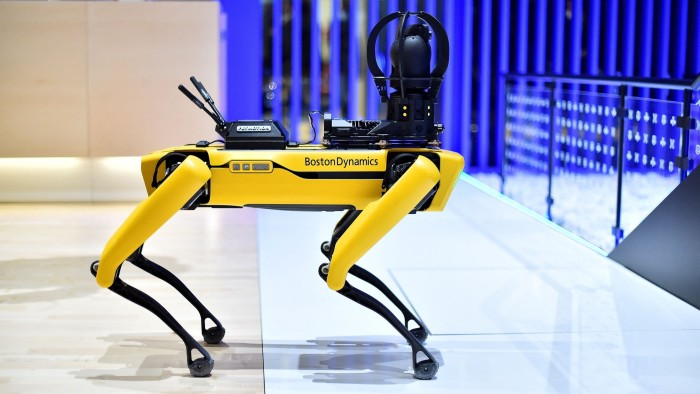
Overview of Robot Dogs’ Evolution
Robot dogs are rapidly becoming essential tools across various sectors, evolving from simple toys to reliable companions. This change is fueled by advancements in robotics, allowing these machines to navigate complex environments effectively. Their design, particularly their ability to walk and maintain stability, makes them suitable for diverse tasks in settings that can be challenging for humans.
Key Details
- Robot dogs are now used in critical roles, including disaster response, nuclear decommissioning, and bomb disposal.
- They possess “athletic intelligence,” enabling them to adapt to difficult terrains, such as rocky or slippery surfaces.
- Companies like Boston Dynamics have developed models like Spot, which are used for safety inspections in industrial facilities.
- Military applications are growing, with reports of robot dogs being equipped with weapons and used in combat scenarios, raising ethical concerns.
Importance of Robot Dogs in Society
The rise of robot dogs signifies a shift in how technology can assist humans in various fields. Their ability to take on repetitive or dangerous tasks can enhance safety and efficiency, particularly in hazardous environments. As these machines continue to develop, they could play vital roles in environmental research and rescue operations, showcasing their potential as versatile partners. This evolution reflects broader trends in robotics, where machines are increasingly integrated into everyday life, prompting discussions about their implications for society.