
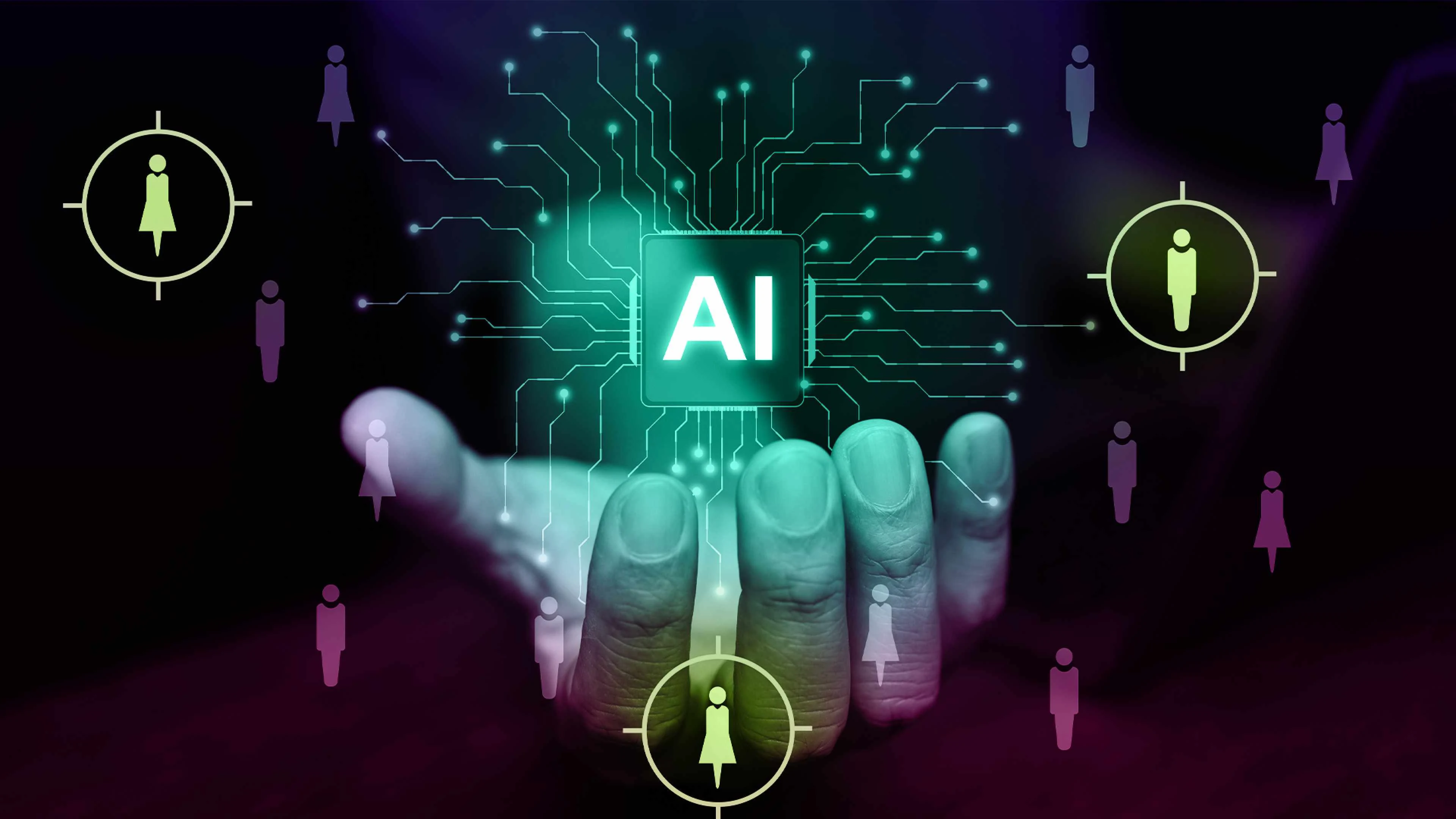
Understanding the Dual Impact of AI
AI consultants often face a moral dilemma. While they help businesses and governments become more efficient and profitable, they also contribute to job losses and potential economic downturns. The rapid pace of AI adoption is outstripping the ability of political and educational systems to adapt. Workers are encouraged to reskill but often lack sufficient support. Proposed solutions like Universal Basic Income and regulations may not be enough to address the challenges posed by automation. Acknowledging these uncomfortable truths is crucial for finding better paths forward.
Key Insights
- The speed of AI adoption is unprecedented, surpassing historical technological shifts.
- Governments struggle to keep up, leaving workers at a disadvantage.
- Developing regions present significant opportunities for economic growth through AI and technology.
- U.S. firms can benefit from investing in these areas, creating jobs and new markets.
The Bigger Picture
Focusing on underdeveloped regions can create a win-win situation—helping those areas leapfrog traditional development while generating wealth for U.S. companies. This approach requires bold investments and collaboration with local partners. By embracing this vision, businesses can help create a more interconnected and prosperous world, transforming the narrative around AI from one of fear to one of opportunity. The choice lies in directing AI’s impact toward equitable growth rather than allowing it to deepen existing inequalities.





