
Navigating New Challenges
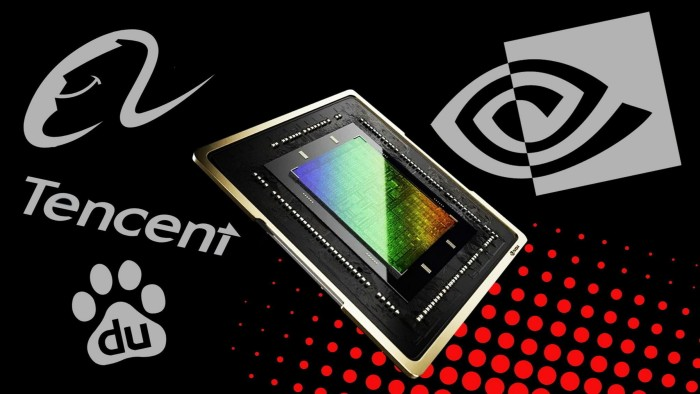
China’s top technology firms are transitioning to domestic chips for artificial intelligence (AI) development. This shift comes as they face dwindling supplies of Nvidia processors and stricter US export regulations. Companies like Alibaba, Tencent, and Baidu are exploring alternative semiconductors to satisfy rising demand for AI capabilities. The urgency of this change is heightened by ongoing US-China trade tensions, which have led to restrictions on Nvidia’s H20 chip, previously favored by these companies.
Key Insights
- Chinese tech firms are testing various chip alternatives to replace Nvidia’s products.
- Existing Nvidia stockpiles may only last through early next year, pushing companies to act quickly.
- Huawei’s Ascend chips are gaining traction, especially among state-owned enterprises, despite concerns about US penalties for using them.
- Analysts predict Nvidia may produce compliant chips for China by July, but these may lack essential features for high-speed processing.
The Bigger Picture
This shift to domestic chips is crucial for China’s tech independence and innovation. The move reflects a broader trend of self-sufficiency in high-end AI technology, which is vital for national security and economic growth. As companies adapt to these challenges, they may experience disruptions but are also likely to foster a more robust domestic semiconductor ecosystem. This transition could strengthen China’s position in the global tech landscape, paving the way for future advancements in AI.





