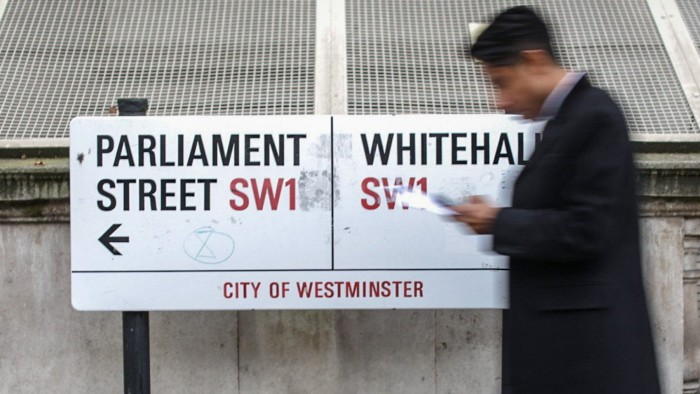
Overview of AI in Public Sector
A recent trial involving over 20,000 civil servants in the UK demonstrated the potential of artificial intelligence tools to enhance productivity. By using Microsoft’s Copilot AI, officials reported saving an average of 26 minutes daily, amounting to two weeks of work time each year. This initiative aligns with the government’s goal of achieving £45 billion in cost savings through modernization and digital transformation in public services. However, while the technology shows promise, experts caution about its reliability and potential glitches.
Key Findings from the Trial
- 82% of civil servants expressed satisfaction with AI tools and wish to continue using them.
- The most significant time savings were seen in document drafting (24 minutes saved) and presentation creation (19 minutes saved).
- A report from the Alan Turing Institute indicated that up to 41% of public sector tasks could benefit from AI assistance, particularly in education.
- Despite the positive outcomes, 17% of participants felt the AI tool did not save them any time.
Significance of AI Adoption
The integration of AI in government operations could lead to smarter workflows and better resource management, potentially transforming how public services are delivered. Nonetheless, the technology’s application raises concerns, especially regarding bias and ethical implications. There have been notable failures in other regions, highlighting the necessity for careful implementation. As the UK government continues to push for AI integration, balancing innovation with ethical considerations will be crucial for the future of public services.