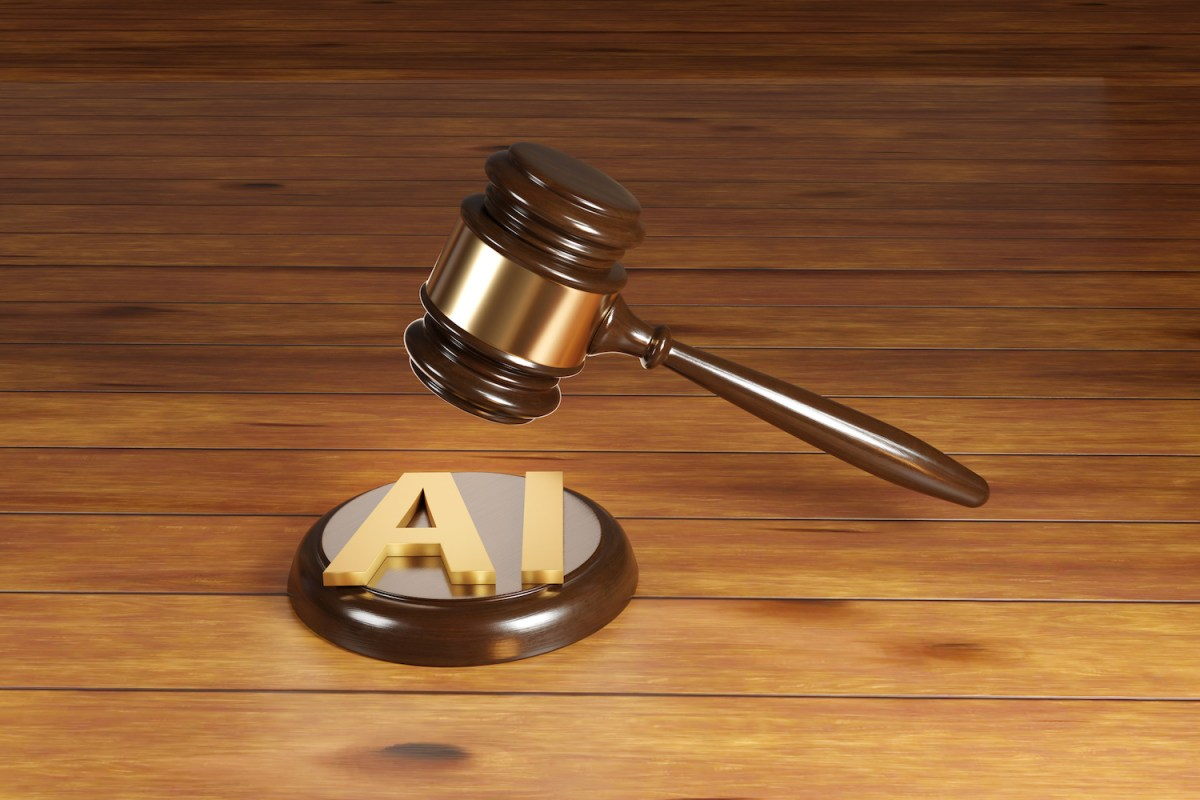
Understanding the Ruling
A recent ruling by the High Court of England and Wales emphasizes the need for lawyers to be cautious when using artificial intelligence tools in their legal work. Judge Victoria Sharp highlighted that while AI can generate seemingly accurate responses, these can often be misleading or outright false. Lawyers have a responsibility to verify any AI-generated information against reliable sources before using it in legal proceedings.
Key Points of the Ruling
- Lawyers must ensure the accuracy of AI-generated legal research by checking it against authoritative sources.
- The ruling arose from two cases where lawyers submitted filings containing numerous incorrect citations, some of which did not exist.
- Judge Sharp pointed out that the misuse of AI in legal contexts can lead to serious consequences, including professional sanctions.
- Both lawyers involved in the cases were referred to professional regulatory bodies due to their failure to meet legal obligations.
Implications for the Legal Profession
This ruling is significant as it sets a precedent for how lawyers should approach the use of AI in their work. The court’s message is clear: reliance on AI without proper verification can lead to severe repercussions for legal practitioners. As AI technology continues to evolve, it is critical for the legal profession to adapt and establish guidelines that ensure accuracy and integrity in legal research. This will help maintain public trust in the legal system and uphold the standards of the profession.