Understanding the Challenge
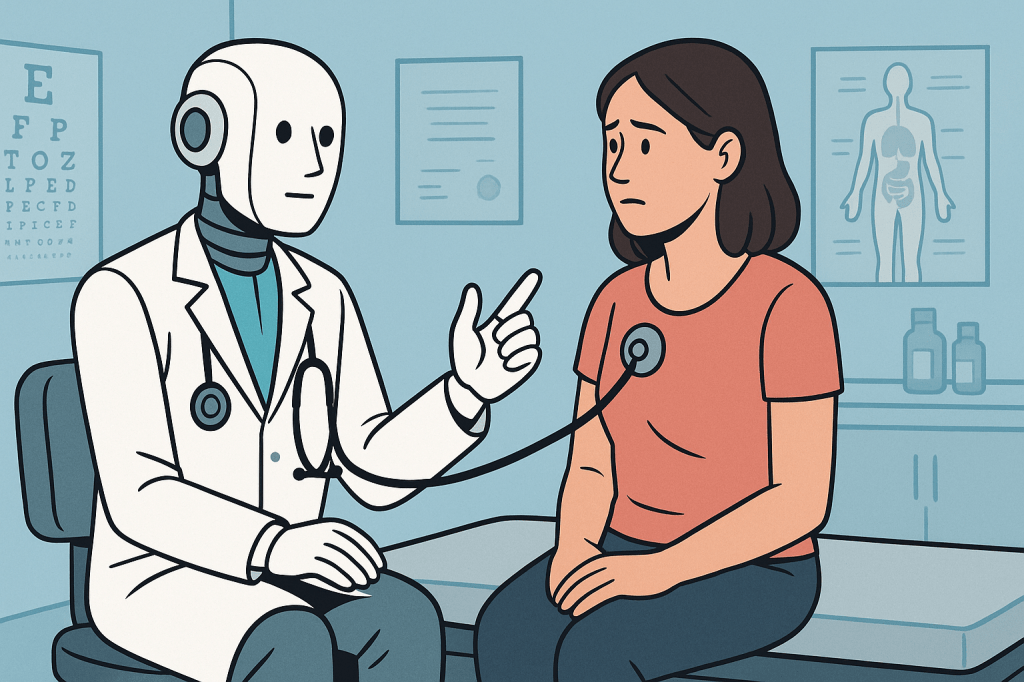
Large language models (LLMs) have shown impressive capabilities in various fields, including medicine. They can pass medical exams with high accuracy. However, their performance in real-world scenarios is less reliable. A recent study from the University of Oxford reveals that while LLMs like GPT-4 can identify medical conditions accurately, humans using these models often struggle to diagnose correctly. This discrepancy raises concerns about the effectiveness of LLMs in providing medical advice.
Key Findings
- In a study with 1,298 participants, LLMs identified relevant conditions 94.9% of the time in test scenarios, but human users achieved only 34.5%.
- Participants often provided incomplete information, leading to misinterpretations by the LLMs.
- Even when LLMs offered correct diagnoses, participants frequently failed to follow their recommendations.
- Simulated participants using LLMs performed significantly better than real users, identifying conditions 60.7% of the time.
Why It Matters
The findings highlight a critical issue in the deployment of AI in healthcare. Relying solely on traditional testing methods for LLMs can create a false sense of security about their capabilities. Understanding user interactions is crucial for improving AI design. This study suggests that businesses should prioritize user experience and adapt their AI systems to better accommodate human behavior. By focusing on the human-technology interaction, developers can create more effective tools that genuinely assist users rather than confuse them.