
Exploring Biological Computing
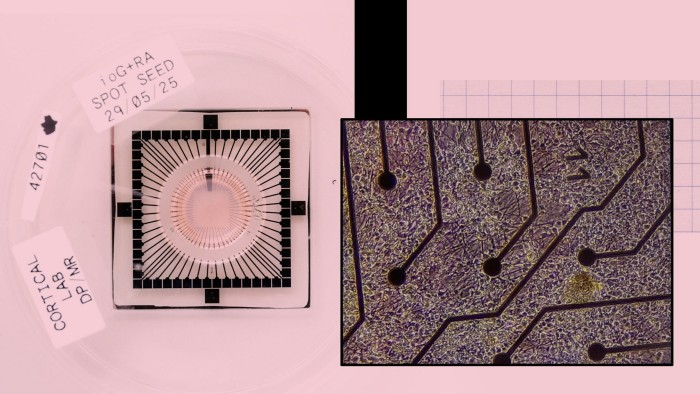
A groundbreaking innovation is taking shape with the development of the CL1 biological computer, created by Cortical Labs and bit.bio. This device, which contains 200,000 human brain cells on silicon circuits, represents a new frontier in computing. The goal is to harness the intelligence of biological cells for more efficient processing and energy consumption. Unlike traditional electronics, biological computers could lead to advancements in areas like robotics, security, and immersive technologies.
Key Highlights
- The CL1 device is designed to utilize human neurons for computing, consuming significantly less energy than conventional systems.
- Early applications focus on neuroscience and drug research, helping scientists understand how various substances affect brain cell activity.
- Previous experiments with a prototype called DishBrain demonstrated the ability of neurons to learn and play video games, revealing insights into brain function.
- The challenge remains in developing effective programming systems and ensuring the longevity of neuron cultures used in these devices.
Significance of the Innovation
This leap into biological computing is crucial as it opens doors to new forms of computation that could surpass current AI capabilities. The CL1 represents a significant step towards understanding brain function and potentially creating more advanced computing systems. However, challenges such as memory retention and ethical considerations regarding consciousness in biological systems need to be addressed. This technology could redefine our approach to computing and neuroscience, making it a pivotal development in the tech landscape.





