Understanding the Shift
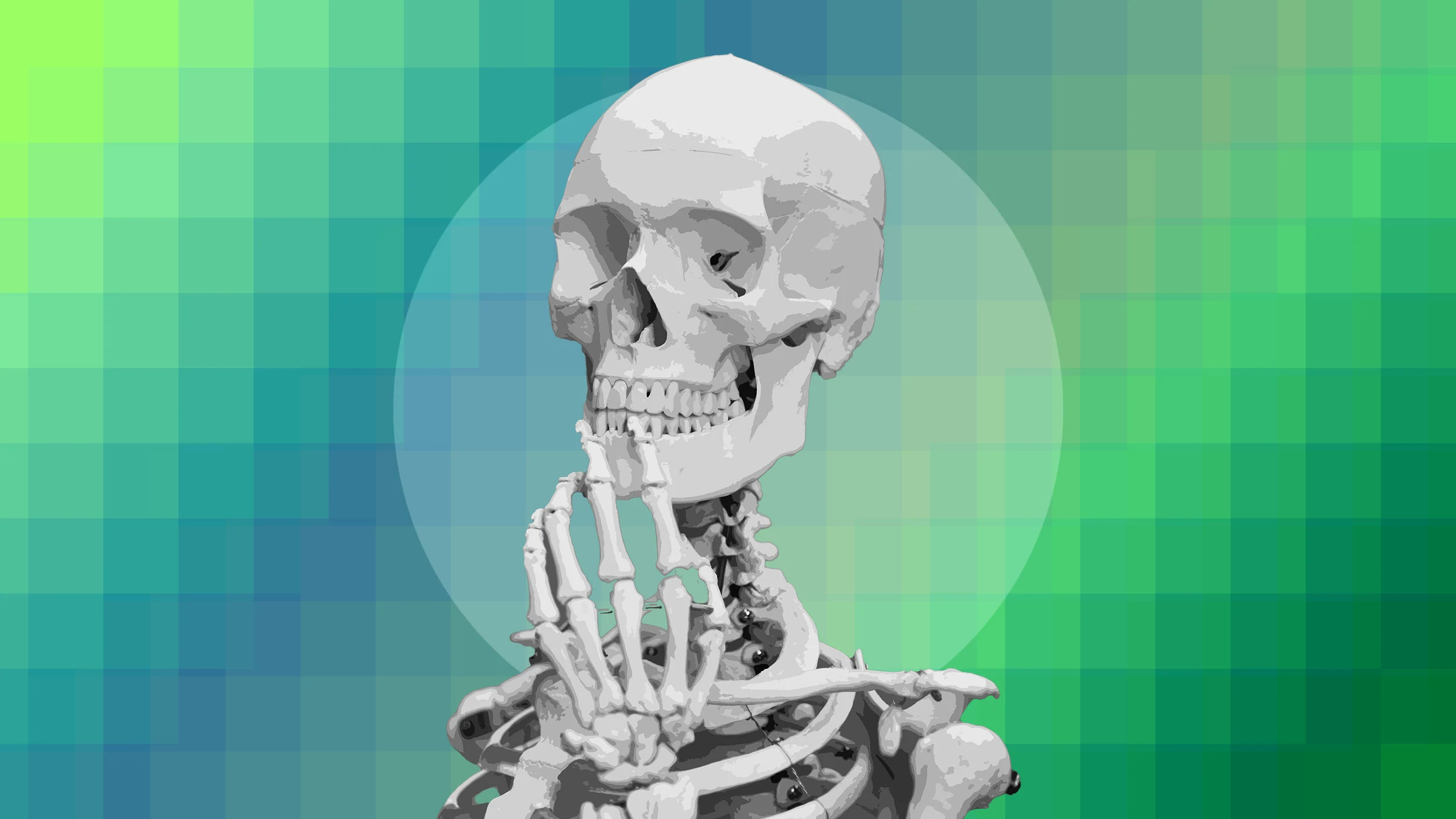
The rise of generative AI is changing how we think and work. Once, thinking was central to our identity and productivity. Now, many knowledge workers rely on AI for tasks that require cognitive effort. This shift raises questions about the value of human thought. If we no longer need to think deeply to perform our jobs, what happens to our ability to think at all? As machines take over cognitive tasks, there is a real risk that we will forget how to think critically and creatively.
Key Insights
- Generative AI allows for quick outputs that may lack depth and originality.
- The reliance on AI can lead to a decline in our cognitive skills.
- Overuse of AI risks making humans obsolete in decision-making and creative processes.
- Future professionals may need to engage in “thinking retreats” to regain their cognitive abilities.
The Bigger Picture
This trend matters because it threatens the very essence of human creativity and critical thinking. While technology aims to make life easier, it can also lead to mental idleness. If we become too dependent on machines, we risk losing our ability to think for ourselves. To counteract this, it is essential to treat thinking as a deliberate practice. Embracing cognitive challenges and resisting the temptation to rely solely on AI can help preserve our mental faculties. The future of thinking is not doomed, but it requires conscious effort to ensure it remains a vital part of our lives.